
Kidney-Friendly Family Meals

This post is sponsored by Otsuka America Pharmaceutical, Inc. However, all opinions are my own.
Disclaimer: Please be advised that some of these foods may contain wheat/gluten, milk, eggs, peanuts, tree nuts, fish, shellfish, soy or other foods that may cause allergic reactions in some people. Please contact your healthcare provider if you are concerned about food allergies or other food-related reactions such as food sensitivities.
Living with Polycystic Kidney Disease (PKD)
Did you know food is more than just nutrition? It’s largely social too. This means that changes in your food and diet can impact your social life, starting with the family. PKD or autosomal dominant polycystic kidney disease (ADPKD) is an inherited form of the kidney condition passed on by a parent. People living with PKD may request dietary changes as they work toward preserving kidney function. As a result, family meals with PKD considerations can seem complicated and burdensome. Many families may even cook multiple dishes to avoid complaints at the dining table.
This is where a kidney-friendly family meal planning guide can come in handy. Here, you will find tips and tricks on how to balance dietary needs for people with PKD along with those of the family. The ultimate goal: so your mealtimes can be fun and enjoyable once again.
For an overview on how to modify your meal prep to support your kidney health, check out our previous article, “The Ultimate Meal Planning Guide for Kidney Health." There you will learn the basic principles of meal planning for kidney disease.
Strategies for family-friendly meal prepping
There are three strategies for making family meals with kidney considerations successful and peaceful. This is all the more relevant when the family consists of all types of eaters and has various food preferences.
1. Find the commonalities and put differences on the side. Keep everyone happy at the dinner table while ensuring those with the most food restrictions feel included. For example, if you are limiting protein, you could cook a big batch of roasted vegetables for everyone to enjoy. An optional meat can be served on the side for the rest of the family.
2. Don’t be scared to include your family in your meals. A portion of the recommendations for PKD/ADPKD is a general healthy diet that can benefit everyone in the family. Trying a new recipe or a new way of eating can be a fun way to keep your family excited about mealtimes.
3. Have your own backup plan. Here are a few ideas:
- Stash several kidney-friendly meals in the freezer. If the evening meal isn't going to work with your dietary needs, you can eat one of your frozen meals.
- Have leftovers in the fridge, ready to reheat.
- Try and write down a few go-to salads or sandwiches that are quick and easy to prepare.
- When you cook for yourself, cook in bulk. This way, you have backup meals in case your family is eating something that you would prefer not to eat.
Healthy habits for PKD and for the family
Many families can benefit from eating a healthier diet. Living with PKD also means special care should be taken to ensure the diet is kidney-friendly for you. Remember to talk to your dietitian and care team about any necessary dietary changes that are specific for you. Every person is different in what they may need to include or exclude in their diet.
So, what are some simple steps that the whole family can do to help your kidneys AND improve everyone's health? These 5 things are powerhouse habits that can be good for pretty much everyone in the family.
1. Eat more whole foods: include fruits or vegetables with each meal. Fresh or frozen is best! Ensure they do not contain added sauces, seasonings, or sugars.
2. Lower sodium intake:
- Reduce your intake of processed foods.
- Focus on salt-free flavors, like herbs and spices, aromatics like garlic or onion, and/or adding a squeeze of lemon or a splash of vinegar.
- Cook the main part of the meal with less salt, but provide a saltshaker on the table for the family to add to their meals.
3. Eat more plants: to begin, swap out animal protein for plant protein (i.e. switch out chicken for chickpeas in your salad). Start with one meal each day and do more as you become more confident. You can always serve animal protein on the side for the family to add.
4. Reduce intake of simple sugars:
- Choose unsweetened products (especially beverages).
- Use whole fruits as natural sweeteners (i.e. for your breakfast oats or yogurt).
5. Lower oxalate intake (may only be beneficial for PKD): try to watch out for high oxalate foods like spinach, almond or cashews and their products (such as almond butter, almond milk, or almond flour), beets, and rhubarb.
Living with PKD: Easy meals everyone in the family can enjoy!
So far, we have discussed two important points:
- WHAT habits to consider for kidney and overall health, as well as
- HOW to incorporate those habits with practical family-friendly cooking strategies.
So, what kind of recipes would you look for? Which dishes would work well for you AND the whole family? Here are five examples of meals that can be individually assembled and easily customized at the dining table:
1. Chia seed pudding/oats
Chia seed pudding is an easy and quick way to get breakfast on the table for everyone in the family during hectic weekday mornings. It is naturally low sodium, packed with wonderful whole foods, fiber and healthy fats to keep you full until lunchtime. Plus, its toppings are customizable, making it especially easy to please every family member.
- For a whole foods focus: add fruits and nuts or seeds as toppings
- To make it plant-based: use coconut milk and coconut milk yogurt
- For a higher carbohydrate breakfast: mix in some oats for some family members
Keep in mind that chia seeds may be relatively higher in oxalates. If you are interested in lowering your oxalate intake, swap chia seeds with flax seeds. They will thicken in a similar way, but their texture and flavor profile will be slightly different.
Quick breakfast recipe for you: Lemon Blueberry Chia Seed Pudding - substitute flax seeds for low oxalate!
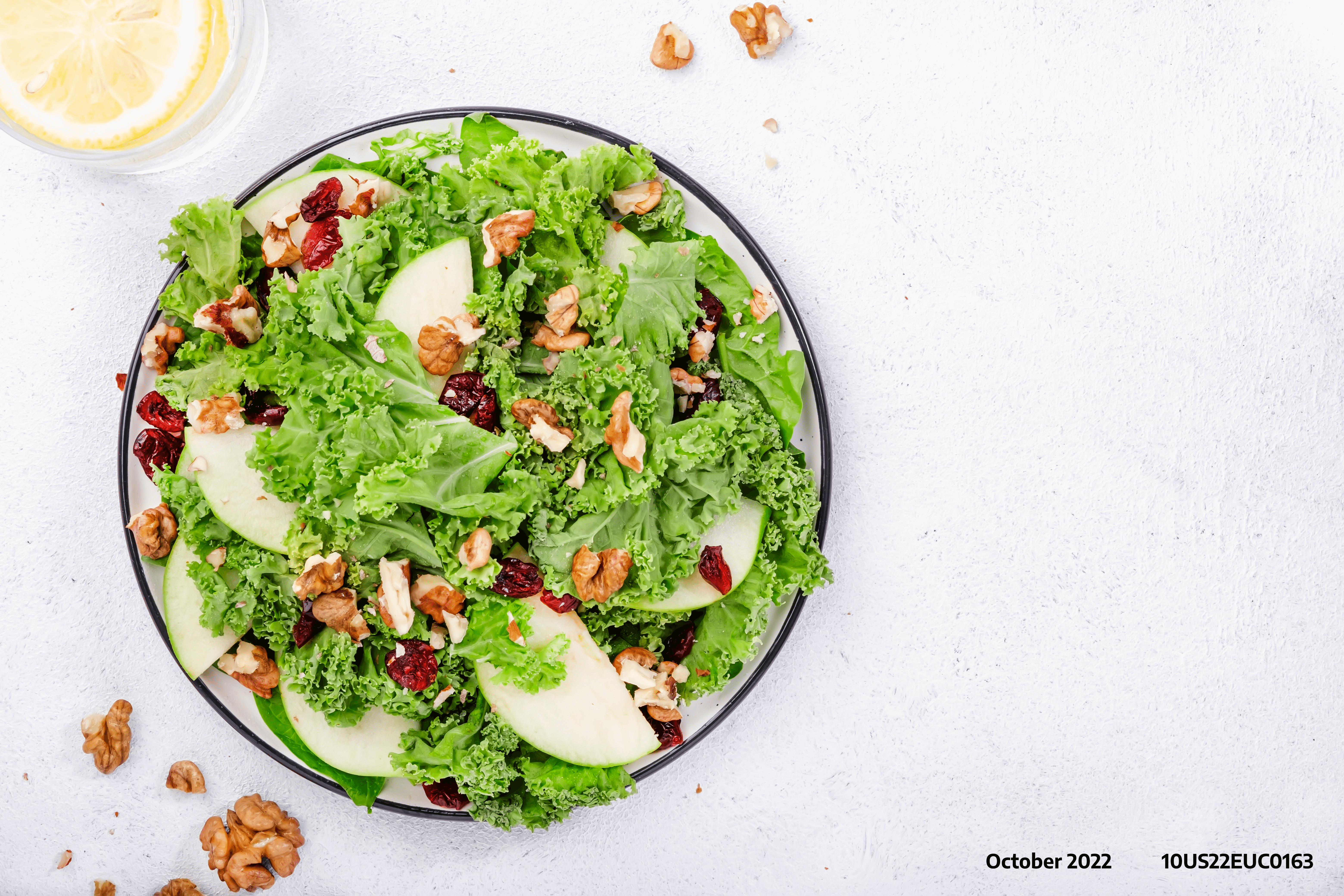
2. Salads
Salads often get a reputation of being boring and bland. But they can be fun!!
We think salads are (and should be) exciting. Imagine having a clean slate where you can:
- Mix and match your favorite vegetables AND fruits,
- Add textures with nuts and seeds, and
- Play with a variety of flavors with different acids, herbs, and spices.
Plus, salads are an excellent way to include more whole foods and fresh produce in your diet. Best of all, you have the flexibility to adjust the content and toppings to keep you and the whole family happy. Remember that while salads can be, and truly deserve, a spotlight as your main dish, they can also be used as a side to round up other dishes.
- To keep salads low sodium:
- Make your own vinaigrette with a simple ratio of 3 parts oil to 1 part acid
- Add flavors by using flavored oils, flavored vinegars or citrus, and combining your choice of aromatics, herbs and spices
- One recipe to try is this Dijon Mustard Vinaigrette Salad Dressing
- For a lower carb salad:
- Focus on non-starchy vegetables like kale, lettuce, cabbage, or arugula
- Add starchy vegetables like roasted sweet potato or other carbs like croutons or grains on the side for your family to add
- If adding more plants is your priority:
- Focus on plant proteins like tofu, nuts and seeds, or even chickpeas
- Optionally, serve animal proteins on the side for your family
- FATS: Don’t forget to add good fats from nuts, seeds, avocado, or even plant oils to keep you satiated and full for longer
- Include your family by letting different family members pick their favorite salad toppings to bring to the meal
3. Stir-fry
A vegetable stir-fry can be easily customized according to your needs and preferences.
- To lower sodium:
- Swap out soy sauce for coconut aminos
- Maximize flavor with a fragrant oil, like sesame oil, as well as aromatics, such as garlic, ginger, and scallions
- If you want to make it whole-foods and plant-focused:
- Use fresh or frozen vegetables and diced tofu
- Serve animal proteins, such as chicken, on the side if your family needs extra protein
- If your family wants more carbs: vegetable and tofu stir-fry is naturally low in carbohydrates. Feel free to serve with brown rice on the side for you or for your family as you like
- If managing oxalates is important to you:
- Focus on lower oxalate vegetables like kale, cauliflower, onions, zucchini, bell peppers, or broccoli
- Avoid using spinach or chard as they are high in oxalates
4. Tacos
Tacos are another dish that can be made in multiple separate components that can easily be assembled on the table.
- To maximize flavor without using much salt:
- Try NephU’s No-Salt Taco Seasoning
- Add fresh herbs like cilantro
- Squeeze a wedge of lime for extra freshness
- If you want to lower your carb intake:
- Add fillings in lettuce or cabbage cups or in jicama slices. This is the best approach if you want to keep your meal whole foods-focused
- Try some low carb tortillas. Choose coconut-based products and avoid products with almond flour
- Serve tortillas on the side for the family
- For a more plant-focused taco
- Try a mushroom-walnut "taco meat" filling or roasted cauliflower or peppers
- Make quick sautéed shrimp as an optional side for the family
Need taco inspiration? Check out NephU’s Roasted Cauliflower Tacos
5. Sandwiches, Wraps, or Burgers
If you think about it, sandwiches, wraps, or burgers come in multiple components that are easily customized and assembled at the dining table.
- Bread or Tortilla: If you are looking to lower your overall carb intake, you can switch out your bread with lettuce wraps, cabbage wraps, egg wraps, coconut wraps, or even grilled eggplant or portobello mushroom caps
- Fillings:
- If you are shifting away from animal products, choose plant foods like slices of tofu, chickpea patties, or hummus
- Load up on fresh AND roasted vegetables (think roasted zucchini, eggplant, peppers, mushroom caps)
- Don't forget your healthy fats: avocado, pesto, or even vegan mayonnaise
- Add sides too!
- Serve a large salad on the side for you and the whole family. Leftover salad (without the dressing mixed in) can be stored in the fridge for lunch tomorrow
- Try roasted jicama, radish, or rutabaga sticks for lower carb "fries" substitute
Stress-free eating for your kidney health
As you can see, living with PKD with your whole family in mind is not as difficult as you may have originally thought. For a refresher on basic principles of kidney-friendly meal planning, check out our Ultimate Meal Planning Guide for Kidney Health.
In any case, if there’s anything you can take away from this article, remember these three strategies for eating kidney-friendly meals in a family setting:
- Focus on commonalities and serve optional food items on the side
- Try to include your family in healthy food habits
- Always have your own backup plan (i.e. cook in bulk and store leftovers, freezer-friendly meals, easy assembly salads or sandwiches)
As always, the internet is full of resources to help you on your kidney journey. Here are some places to check out new recipes.
- NephU's Kidney Kitchen Creations Cookbook: this campaign focuses on low sodium, potassium modified recipes without added phosphates
- Kidney Nutrition Institute Blog
Industry Highlight:
One thing we love is to see many organizations focusing on efforts to develop recipes for people with kidney disease. This post is sponsored by Otsuka America Pharmaceutical Inc., who created the Kitchen Creations for Kidney Health Cookbook campaign. This campaign focuses on low sodium, potassium modified recipes without added phosphates. There is a variety of appetizers, sides, entrees and desserts and lists on the exact ingredients you’ll need to make them. It can give you a good jumpstart into some ideas of how to powerpack flavor into your recipes. Please note these are not entirely plant-based or oxalate controlled, but with a few easy swaps, they can work for many people.
Be a part of more recipes for patients?
If you have a kidney-friendly recipe you’d like to submit for consideration in the Kitchen Creations for Kidney Health Cookbook, go to NephU.org/recipe-submission!
Written by Clarissa Paimanta, RD; Reviewed by Jessianna Saville MS, RDN, LD