Keys to a Scrumptious Salad for Kidney-Health

Are scrumptious salads off the table if you have kidney disease?
As the temperature outside starts to soar, I wonder how many air-conditioners are possible to add to my kitchen. The biggest kitchen-heat culprit is definitely my oven, so the logical way to solve my heat problem is by going oven-free. That means we are officially in Salad Season!
With chronic kidney disease, it’s difficult to navigate through all the foods that should or shouldn’t be limited. Crafting a salad puts you right in the middle of that. Some salads can be extremely high in sodium, potassium and protein, which may not be the best for your kidney and overall health.
Read on to find a salad-building schema that serves as the perfect blueprint for making delicious kidney-friendly salads to enjoy all summer long. If you’re looking for personalized nutrition advice, book your free Zoom call with a KNI dietitian today!
The Best Salads are All About That Base

The key to building any great salad is the base, so let us talk lettuce. Salad greens are naturally low in sodium and protein, making them optimal for kidney friendly meals. In fact, a one cup portion of lettuce has less than 15 mg of sodium, and under 1 gram of protein per serving! These leafy greens also provide fiber, which are fantastic at improving digestive health. Plus, some greens like spinach are rich in vitamin K, a micro-nutrient famed for its blood clotting function, making greens the MVP of the salad kingdom.
Arugula has a peppery, slightly spicy flavor and actually belongs in the same family as mustard. As arugula leaves mature, their flavor intensifies. If you’re picking this up from the supermarket for your salad, wild arugula is typically more pungent whereas baby arugula is milder in flavor because the leaves are harvested earlier. Fun fact: The bitter taste of arugula is actually from a substance found in the lettuce called glucosinolate, which may help decrease inflammation and be protective against cancer. This delicious Apple Pecan Arugula Salad from The Minimalist Baker combines apples and toasted pecans together to make the arugula truly shine.
Iceberg lettuce, also called “crisp-head lettuce”, is known for its mild flavor, and firm, crunchy texture, making it very adaptable when building a salad. Although not as nutrient-rich as dark leafy greens, Iceberg lettuce still provides small amounts of vitamin K, vitamin A, and fiber. The potassium in iceberg lettuce is low, making it great for a kidney diet. It also has a higher water content than other types of lettuces which can be a refreshing choice on a summer day. This no-fuss Garden Salad recipe is an excellent way to combine a few ingredients together into something wonderful.
Kale is a hearty leafy green with an earthy flavor and crunchy tough leaves. Younger kale leaves tend to be thinner and milder, however, if you do opt for mature kale, you can blend it with other leafy greens for a textural variety or you can massage it to wilt and soften the leaves for easier salad eating. Kale is a nutrition superstar due to its vitamin A, vitamin C, and calcium content. If you’re looking for a delicious, easy introduction into the kale world, then it’s time to try our Green Goddess Salad recipe.
Romaine lettuce is crisp, and has a refreshing, juicy, and mild bitter taste. This lettuce is sold in whole heads, or as hearts (with the outer green leaves removed leaving only the tender, pale leaves). Romaine lettuce has a high heat tolerance which means it can withstand grilling and braising methods, seen in this tasty Grilled Romaine Cesar Salad with Herbed White Beans recipe. You may ask yourself “is romaine lettuce good for CKD patients?”, and we’re here to say YES! It’s low in potassium and a good source of folate, an important nutrient for preventing anemia, making romaine lettuce good for kidney disease.
Spinach has a mild, slightly sweet taste when raw, and takes on a more acidic, robust flavor when cooked. There are three different varieties of spinach which include savoy, flat, and semi-savoy which are all similar in flavor profile. This nutrient-dense variety is rich in iron and folate. However, spinach is also high in oxalates, therefore if you’re limiting your oxalate load you’ll want to opt for one of the other greens mentioned. Our Kidney Friendly Summer Salad features baby spinach, and is the perfect salad recipe to kick off summer.
Build Your Dream Salad with Plant-Based Mix-ins

Plants are our friends when it comes to kidney health. The phosphorus found in plant-based foods such as beans, nuts, and whole grains are not absorbed as well by the body (only about 40%), which is great for CKD when you’re trying to limit phosphorus intake.
Beans contain lots of soluble and insoluble fiber, and are naturally low in fat, and have no cholesterol. We love chickpeas, also known as garbanzo beans, which are one of the many types of beans found in the legume family. Chickpeas are low to moderate in potassium. If using canned chickpeas, the initial quantity of potassium and phosphorus is already fairly low. Be sure to rinse the beans before adding to your salad to wash off some of the salt.
Nuts and Seeds add a great texture to any salad, and are packed full of healthy fats, fiber, vitamin E, zinc and magnesium. Just a handful of these crunchy treats will go a long way towards stepping up your salad game. If you have PKD, you may want to avoid certain nuts such as almonds, cashews and sesame seeds which are naturally high in oxalates. Roasted pumpkin seeds are especially tasty on top of a salad, just like in our Lemony Kale and Chickpea Salad.
Squash is considered to be a good source of vitamin C, vitamin B6, and fiber. Around this time, summer squash begins to become more abundant making zucchini the star of the salad show. Summer squashes tend to be more tender than their winter counterparts. This is the perfect vegetable to toss in some olive oil and throw on the grill. If you don’t have one, you can always broil the vegetables until tender and lightly charred, turning once, about 4 minutes per side.
Red Bell Peppers are extremely flavorful and taste delicious grilled, baked, sauteed, or even raw. They are perfect for a CKD diet lifestyle because they are low in potassium, and an excellent source of vitamin C, vitamin A, as well as fiber. You can slice the peppers over the weekend and keep them stored in your fridge to grab and go all week to add into any salad you make.
Cucumbers are a refreshing, juicy mix-in that will bring life to any kidney-friendly salad you assemble. They are also low in oxalates, which is great when following a PKD nutrition plan. Be sure to keep the skin on for some extra color and fiber. Our Mediterranean Cucumber Side Salad highlights the freshness of this vegetable in the tastiest way possible.
Don’t see your favorite ingredients on the list? Talk to your KNI dietitian today for guidance on how to incorporate them in your kidney-friendly salads!
Dressing: The Final Touch for Salad Perfection
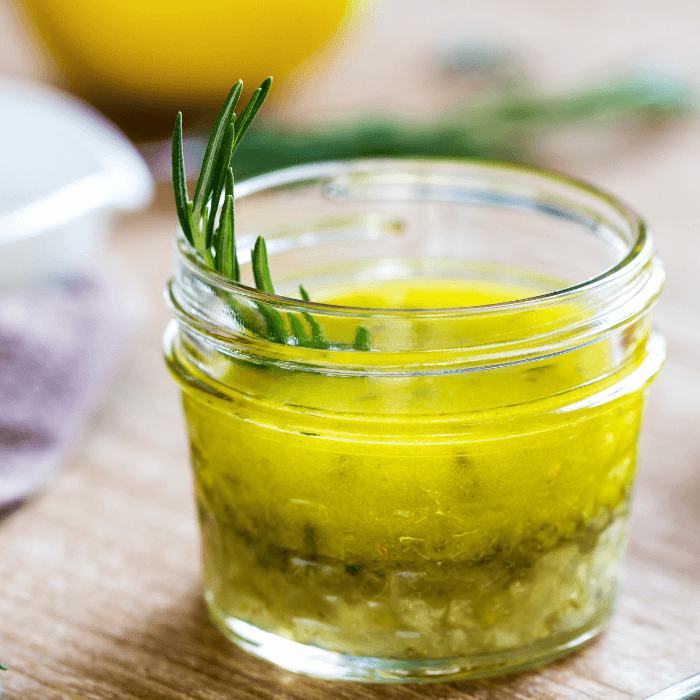
The secret behind a delicious, come-back-for-seconds salad is a show-stopping dressing. A good dressing can brighten up any salad, elevating the flavor of all the ingredients. However, it can also be the downfall to a renal diet depending on its sodium content.
Many store-bought dressings have hidden phosphate additives and can be jam-packed with the salty stuff, such as Hidden Valley Ranch where a 2 tablespoon serving can add 328 mg of sodium to a salad.
For kidney patients, it’s hard to navigate the world of supermarket salad dressings, so why not eliminate that problem by making your own flavor-packed renal friendly salad dressing? PLUS, homemade dressings are great for adding some extra healthy fats with olive oil.
Salad dressing recipes that satisfy both your tastebuds and your kidneys
Zesty Lemon Dressing: This dressing is featured in our Zesty Lemon Salad recipe. This salad full of bright, bold flavors and pairs well with any main dish or serve as the star of your meal.
Low Sodium Balsamic Vinaigrette: This dressing is as simple as it gets because it has only 5 ingredients. Did we mention that this is only 50 mg of sodium per serving?
Adobo Vinaigrette: If you’re looking for a spicy, smoky delectable dressing to level up any summer salad, then look no further. This recipe highlights the trinity of salad dressing flavors: sweet, sour, and spicy. This vinaigrette enhances any salad you toss together, just like it does in our Bean Salad with Adobo Vinaigrette recipe.
Kidney-friendly salad dressings for health meals when you’re low on time.
Sir Kensington Pepperoncini Dressing: (2 tbsp) 140kcal | 16 gm fat | 90 mg sodium
Primal Kitchen Lemon Turmeric Vinaigrette: (2 tbsp) 90kcal | 10 gm fat | 95 gm sodium
Chosen Foods Avocado Oil-Based Lemon Garlic Dressing: (2 tbsp) 110 kcal | 11 gm fat | 90 mg sodium
Why We’re Suckers for Salads
Cool cucumbers, creamy bites of chickpeas, crunchy roasted pumpkin seeds all atop crisp romaine lettuce drizzled with some olive oil and a splash of lemon juice is something I would eat for every meal given the chance. The best part is that kidney-friendly salad recipes are completely customizable, allowing you to mix-and-match any ingredients. The limitless combination of textures, colors and flavors means that your meal time is never boring. No matter what you throw in, it’s guaranteed that your kidney friendly salad will be a nutrient powerhouse full of vitamins and minerals.
At Kidney Nutrition Institute, we believe in helping our patients know what to eat as part of our Kidney Health Method, and salads are a big part of many people’s nutrition plans. Learning to craft a simple and delicious meal, free of worry, makes a renal diet that much easier. Our dietitians work with you to target your specific nutrition needs and create customized renal diet meal plans to suit your unique preferences. Book your free Zoom call with us today to discover how we can help you figure out your next steps to preserve your kidneys and feel great.