
Want to impress somebody? Whip up this creamy and droolworthy Vegetable Au Gratin and be sure your guests will be impressed.
But what is Vegetable Au Gratin? It sounds fancy, but really, au gratin means covered with breadcrumb or grated cheese toppings, then baked until golden brown and delicious.
In other words, this is a mixed vegetable casserole. But not just any ordinary casserole. It is especially made to be PKD-friendly. This means, our keto gratin is low in carbs, high in healthy fats, loaded with vegetables, and low in oxalates. Let’s go through these one by one.

Is Vegetable Au Gratin Keto?
Typically, vegetable au gratins are made with breadcrumb toppings and can contain high carb foods like potatoes or even pasta. We made some modifications to make our mixed vegetable casserole keto-friendly.
1. Omit breadcrumbs. We still choose to use some cheese to create the crispy golden brown crust that we all love from a baked vegetable au gratin.
Missing the breadcrumbs? Make your own keto “breadcrumbs” by blending together sunflower seeds with nutritional yeast until you form coarse crumbs. Then sprinkle that on top but be careful they burn easily!
2. Choose low carb vegetables. They can be anything you have in the fridge, or even freezer if you use frozen vegetables. We tried this recipe with cauliflower, broccoli, onions, peppers…. And they turn out amazing.
Choose low oxalate vegetables if it is your priority and/or if you have a history of kidney stones. Some of our favorite low oxalate, keto friendly vegetables are:
- Zucchini
- Cauliflower
- Broccoli
- Cabbage
- Onions
- Leafy greens like lettuce, arugula, kale, collard greens, mustard greens
3. Shirataki rice or noodles to add bulk. Shirataki is naturally low in carbs, sodium, and high in fiber, so they are very keto-friendly. Not a fan of shirataki? Simply omit them and
4. Loads of healthy fats. Consuming adequate fats is key in a ketogenic diet. Fats are important to help our bodies produce ketones. Aside from that, fats also help to keep you full and satisfied after your meals.
Not sure if keto is right for you? Work with a KNI dietitian to discover your nutrition priorities today!

What about using dairy in this baked Vegetable Au Gratin?
At KNI, our priority is to add produce. Fruits and vegetables are essential for kidney health for several reasons:
1. High in fiber: this benefits gut health. Healthy gut = healthy kidneys. Check out our blog post "Gut Health is an Important Part of Kidney Care" to explore that concept if you are interested.
2. Alkaline producing: Foods affect our bodies’ acid-base balance. A common kidney problem is metabolic acidosis, which is when the balance tilts more towards the acidic side. This can happen with an acidic diet, which is typically high in protein, meats, and grains.
Our goal is to prevent or combat metabolic acidosis by eating foods that produce alkaline or base. Fruits and vegetables help our bodies produce more alkaline. These foods help tilt the balance towards a more “basic” or alkaline state.
3. Protein management: Fruits and vegetables are generally low in protein. They help bulk out meals and make it easier to minimize protein sizes, which is helpful for patients with CKD who are on a low protein or very low protein diet.
4. Naturally low in sodium: helps with fluid balance and blood pressure management.
5. Naturally low in phosphorus: helps to maintain bone and heart health.
6. Vegetables are generally low in carbs: helps to maintain ketosis for those with PKD who are on a ketogenic diet.
However, this does not mean a vegan diet is the best for everybody.
Animal foods can be a rich source of minerals which may be inadequate in a vegan diet, such as vitamin B12, iron or zinc. Plus, a vegan ketogenic diet can be extremely challenging to plan.
As such, some animal protein can be incorporated in a predominantly plant-dominant, kidney-friendly diet. Using cream cheese and heavy cream in this recipe adds so much creaminess, fats, and richness without adding too much protein. It also keeps the flavor mild and enhances the natural sweetness of the vegetables. The cheese adds a nutty, umami flavor and creates the crispy crust to add texture to the dish.
Again, the key is to a kidney-friendly diet is plant-dominant or plant-heavy. Not everyone requires a plant-exclusive diet.
Prefer your meals without dairy? No problem! Switch out the dairy with coconut cream. However, note that this WILL change the flavor.
For your individualized nutrition plan, book your free Discovery Zoom Call with Kidney Nutrition Institute today!

Vegetable Keto Gratin
Ingredients
- 5 cups mixed vegetables we used broccoli & cauliflower
- 1 tbsp butter
- 2 cloves garlic minced
- 1/2 cup heavy cream
- 1/2 cup cream cheese full fat
- salt and pepper to taste
- 200 gram shirataki rice rinsed and drained
- 3 1/2 oz cheddar shredded
Instructions
- Preheat oven to 400 F or 200 C.
- Steam, microwave, or boil mixed vegetables until just tender but slightly crunchy. Drain very well over a colander.
- Melt butter in a pot over low heat. Add garlic and slowly cook until fragrant and lightly golden. Add heavy cream and cream cheese; stir until a thick sauce forms. Heat until just just barely simmering. Season with salt and pepper to taste.
- Add mixed vegetables, shirataki rice, and half of the cheese into the pot. Mix gently until just combined. Transfer to an oven-proof casserole dish, then top with the remaining cheese.
- Bake in the oven for 15-20 minutes or until the cheese is melted and browned. Enjoy!
Nutrition

KNI Verdict – Keto Mixed Vegetable Au Gratin
This recipe is always a HUGE hit.
Not only is it warm and comforting, the cheesiness and creaminess gave it lots of compliments at the dinner table.
It's festive to bring to a potluck party, but also very easy to prepare and completely customizable to whatever vegetables you have in your fridge or freezer - making it my perfect go-to weeknight recipe.
What are you waiting for? Give it a try and let us know how you like it in the comments below!
Want more tasty and kidney-friendly recipes?
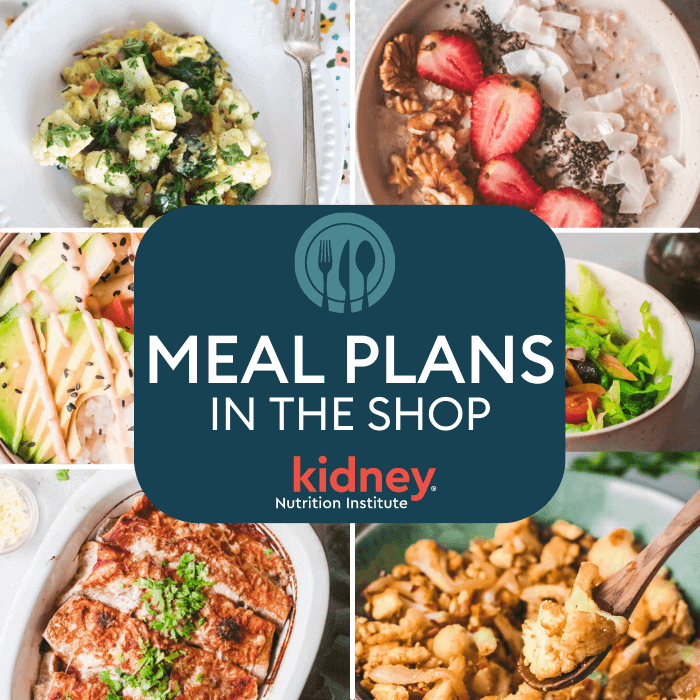
Check out the KNI Shop and choose a 7-day meal plan that works for you. We have meal plans for dialysis, early-stage CKD, PKD and Stage 5 CKD. Full recipes and nutrition information included, along with a grocery list!