This post is sponsored by Otsuka America Pharmaceutical, Inc. However, all opinions are my own.
Disclaimer: Please be advised that some of these foods may contain wheat/gluten, milk, eggs, peanuts, tree nuts, fish, shellfish, soy or other foods that may cause allergic reactions in some people. Please contact your healthcare provider if you are concerned about food allergies or other food-related reactions such as food sensitivities.
Simple PKD-friendly meals with shirataki noodle stir fry
If you or your loved ones are living with polycystic kidney disease (PKD) or autosomal polycystic kidney disease (ADPKD), we have a question for you: do you get stressed about mealtimes? Do you find it challenging to put into practice all the recommended diet modifications for PKD? If you answered yes to either question, our Thai Curry Shirataki Noodle Stir Fry might be just what you’re looking for!
Why? Because this stir fry is easy, requires minimal prep work, and is quick to put together. It is also versatile, and it works well with whatever ingredients you have on hand. Lastly, this dish is reliable in guaranteeing you a delicious and nutritious meal.
People with PKD and ADPKD often choose to modify their diets to promote kidney health. For some, this makes mealtimes confusing, complicated, and even stressful.
But it doesn’t have to be this way. That is probably why you are reading this post. You have hope for living your best life with PKD/ADPKD. This includes having nourishing meals as something to look forward to everyday. With the right tools, you can simplify the whole process of getting kidney-friendly meals on your dining table with confidence and ease.
3 tools for successful PKD mealtimes
1. Knowing the nutrition principles for PKD and ADPKD
This is the foundation to making food modifications that supports your kidney and overall health. Some food and nutrition changes may be considered for PKD and ADPKD:
- Focus on whole foods in your diet
- Transition to a low sodium diet
- Include more plants
- Reduce your intake of simple sugars (some may even consider lowering overall carbohydrate intake)
- Lower your oxalate intake
2. Having food to work with
A key to making successful dietary changes is to have food and ingredients in your pantry, fridge, and freezer. This step puts the above nutritional strategies into practice.
Foods that are helpful to include in your grocery list include:
- Fruits and vegetables: fresh and/or frozen are preferred. Canned fruits and vegetables can work in some cases, just make sure to watch the amount of sodium. Ensure they do not come with added seasonings, sauces, or sugars. Choose low oxalate ingredients if that is your priority.
- Nuts and seeds: flax, sunflower or pumpkin seeds, walnuts, pecans or macadamia are our low oxalate favorites. Unsalted and unsweetened nut or seed butters also work great as a dip, topping, or even in sauces.
- Healthy fats: avocado, avocado oil, olive oil, pesto, coconut oil or coconut milk
- Plant proteins: lentils, chickpeas, beans*, tofu* (items marked with asterisk * indicates higher oxalate items)
- Kidney-friendly animal proteins: fatty fish like salmon or tuna, eggs, whole milk, Greek yogurt, low sodium cheeses like mozzarella or Swiss cheese. The amount of protein you eat is very individualized. Talk with your doctor or dietitian about how much is right for you.
- Grains: rice, oats, bread (white, oat, spelt, or whole wheat varieties), pasta (brown rice, white rice, or white wheat varieties) are great low oxalate options. If you are considering a ketogenic diet for PKD/ADPKD, you may omit this section and substitute with cauliflower rice, zucchini noodles, or shirataki products.
One ingredient that we believe deserves a spotlight is shirataki.
Shirataki FAQ
Are shirataki noodles renal-friendly?
Simple answer, yes. But shirataki is more than just great for a renal diet. It is also low in protein, sodium, AND oxalates. In other words, shirataki can be a very versatile and functional staple for your PKD and ADPKD recipes.
What is shirataki?
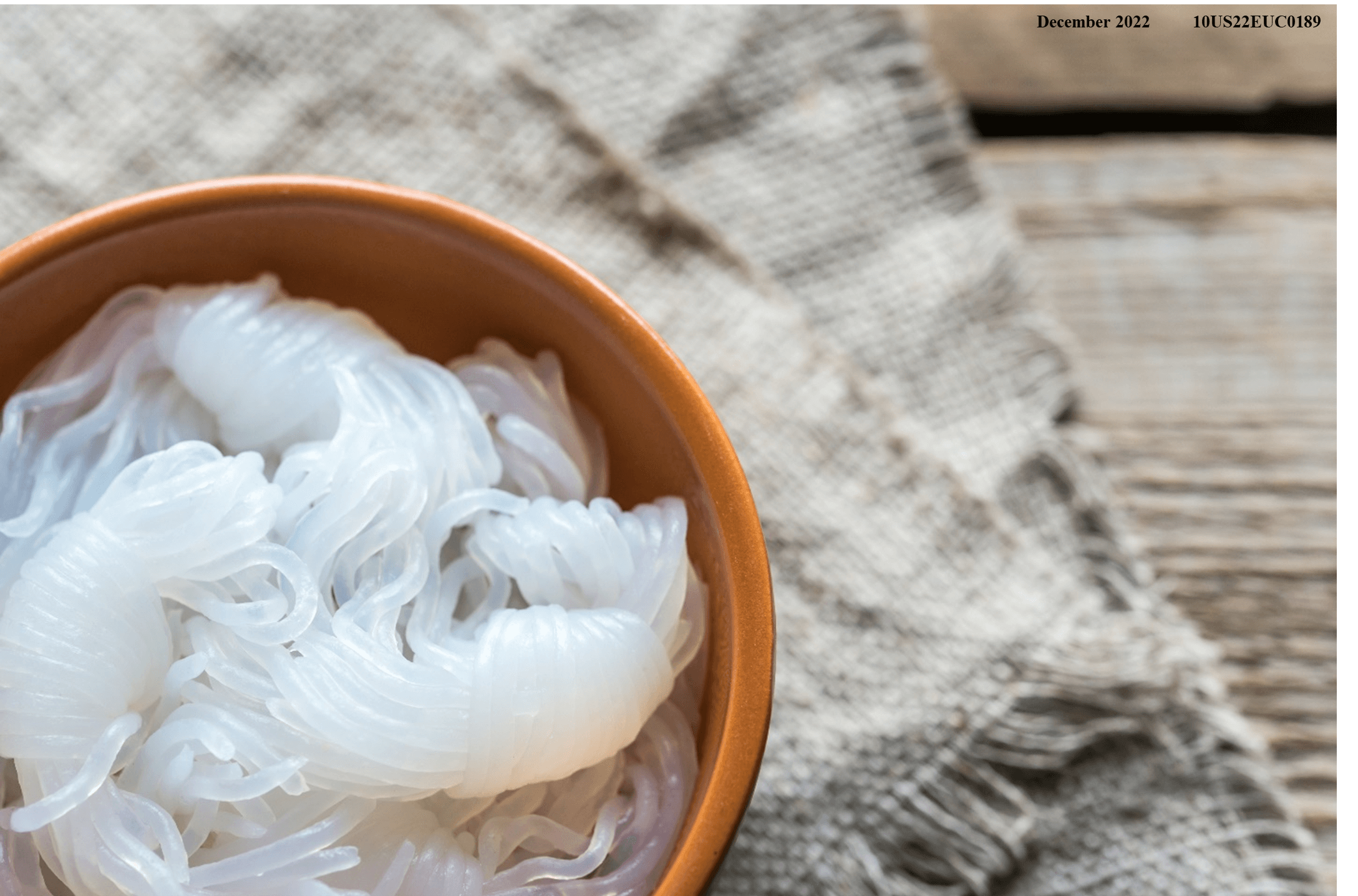
Shirataki is a gelatinous and flavorless noodle product made from the konjac plant (Amorphophallus konjac). It has been traditionally consumed in China, Japan, and Southeast Asia as food as well as medicine.
Currently, konjac products range from konjac jelly, rice, noodles, pastas of various shapes, and even supplements. You can find shirataki in supermarkets by the name of konjak noodles, miracle noodles, or yam noodles.
What is so special about shirataki?
Think of shirataki as an “all fiber” kind of food. Indeed, shirataki is mainly composed of the soluble fiber called konjak glucomannan. Depending on the brand, a 100-gram serving of shirataki can serve up to 5 grams of fiber!
Furthermore, when taken as a supplement, konjak glucomannan may provide health benefits including lowering cholesterol, regulating blood sugars, as well as improving gut health.
Aside from shirataki’s high fiber content, other nutritional highlights include:
- Calories: shirataki is much lower in calories than regular noodles. To compare, 1 cup of whole wheat pasta clocks in at 209 calories, whereas the same amount of shirataki only has 30 calories!! This can allow plenty of room for adding in lots of healthy fats without going overboard on calories. For example: add a drizzle of olive oil, avocado slices, or even sunflower seed butter sauces. Check out our Shirataki Noodle Stir Fry with Sunflower Butter Sauce recipe here!
- Carbohydrates: perfect if you are on a plant-focused renal or keto diet thanks to its low-carb content. Make sure to pair it with other low-carb additions such as non-starchy vegetables and sauces.
- Protein: shirataki’s low-protein content gives you more flexibility for protein management for kidney health.
- Fiber: since shirataki is high in fiber, it can help you feel full faster and longer. In addition, fiber can feed the good bacteria in your gut, thus improving your gut health. Plus point – it helps you stay regular too!
- Sodium: shirataki is naturally low in sodium, thus helping you better manage your sodium intake for PKD/ADPKD.
- Oxalates: good news if oxalate management is your priority! Shirataki is low in oxalates with only 3 mg of oxalates per 3-oz serving. In comparison, the same 3-oz serving of cooked whole wheat pasta contains 7 mg of oxalates. This is more than TWICE as much oxalates. Make sure to avoid the tofu-shirataki noodle variation as soy is higher in oxalates. For more low oxalate recipes check out the KNI’s PKD recipes!
Bottom line: The humble shirataki noodle really can be a nutrition powerhouse!
3. Finding your go-to recipe (ie. shirataki noodle stir fry!)
For us, a go-to recipe needs to have 3 essential qualities: easy, versatile, and reliable.
A. Easy
You need an easy recipe that requires minimal prep work. Even better if you don't need knives or a chopping board. Ultimately perfect if you can make in less than 15 minutes.
This means lots of shortcuts:
- Pre-chopped, frozen, or canned vegetables
- Salad kits or vegetable mixes like coleslaw mix
- Flavor shortcuts: garlic paste, frozen herb cubes, herb or spice mixes, and even premade dressings, pastes and sauces like pesto or curry pastes
- Some may be high in sodium so make sure to choose lower sodium brands if possible or otherwise practice portion control
B. Versatile
It needs to be versatile so you can make use of any leftover ingredients you have on hand. Some of our favorites include grain bowls, salads, stir-fries or soups. They work well whether you have broccoli, frozen peas, or some wilting green leafy vegetables in your fridge drawer.
Mix and match with your favorite sauces or dressings for flavor twists to keep your meals exciting.
C. Reliable
Finally, you need a reliable recipe that guarantees a delicious meal that will leave you full, happy and satisfied. The last thing you want is a “meh” dinner that makes you feel unsatisfied. This may lead you to crave and reach for snacks that may not necessarily lead you towards your health goals.
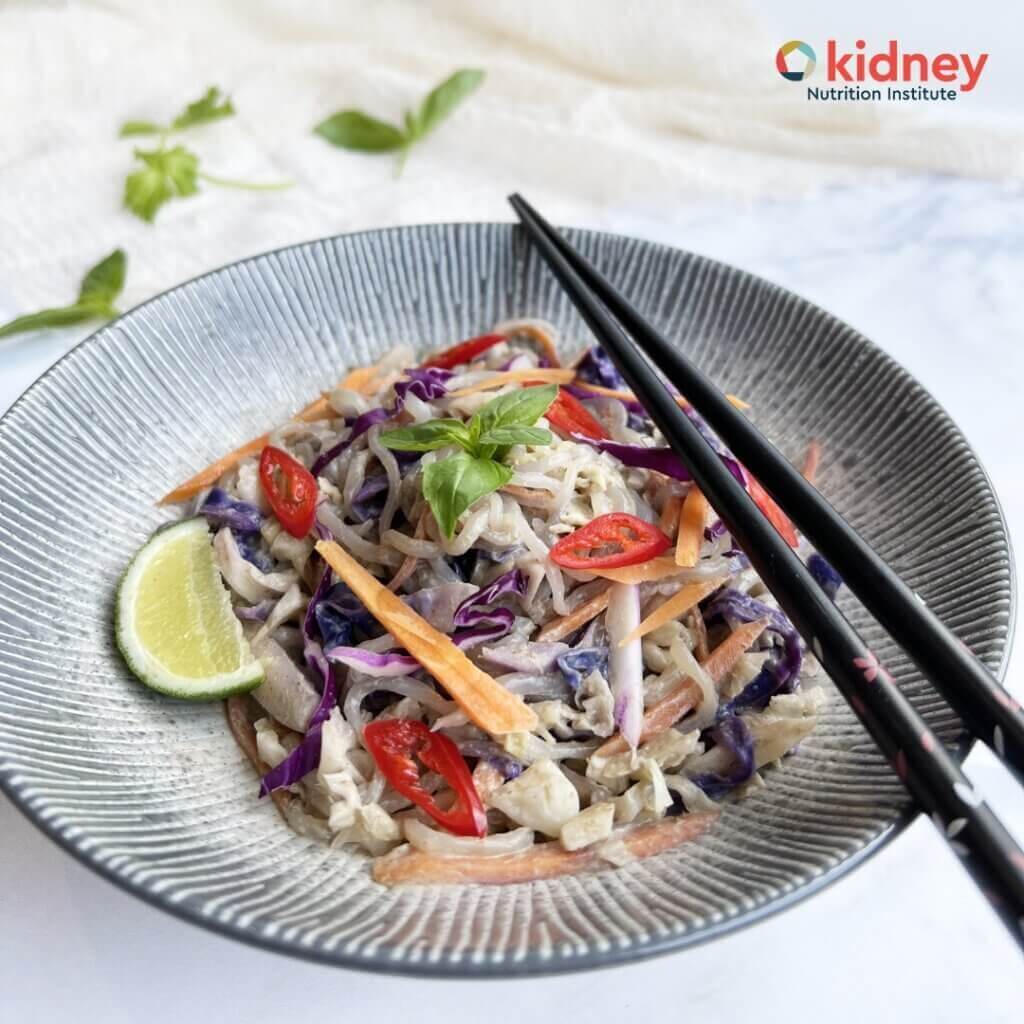
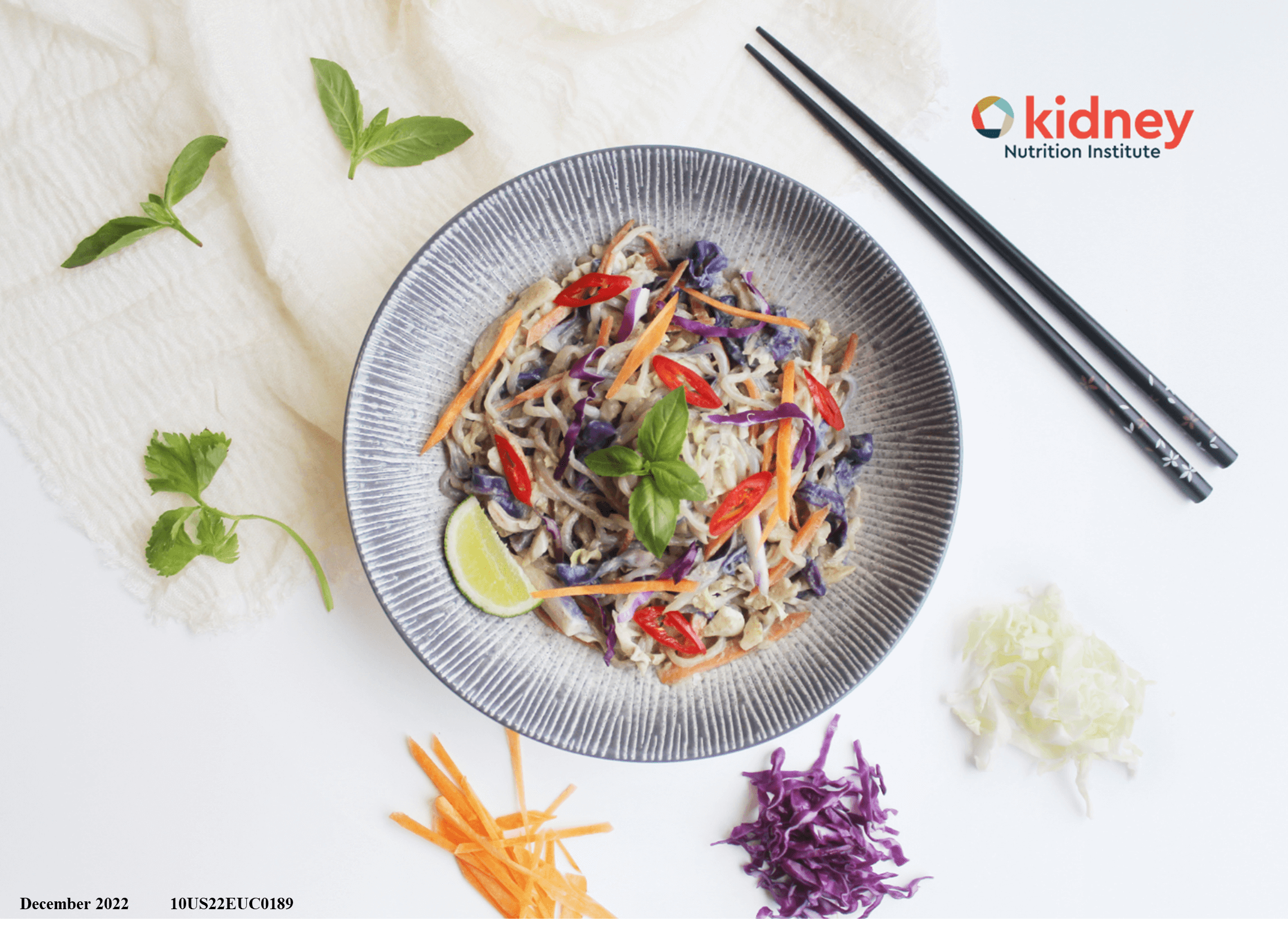
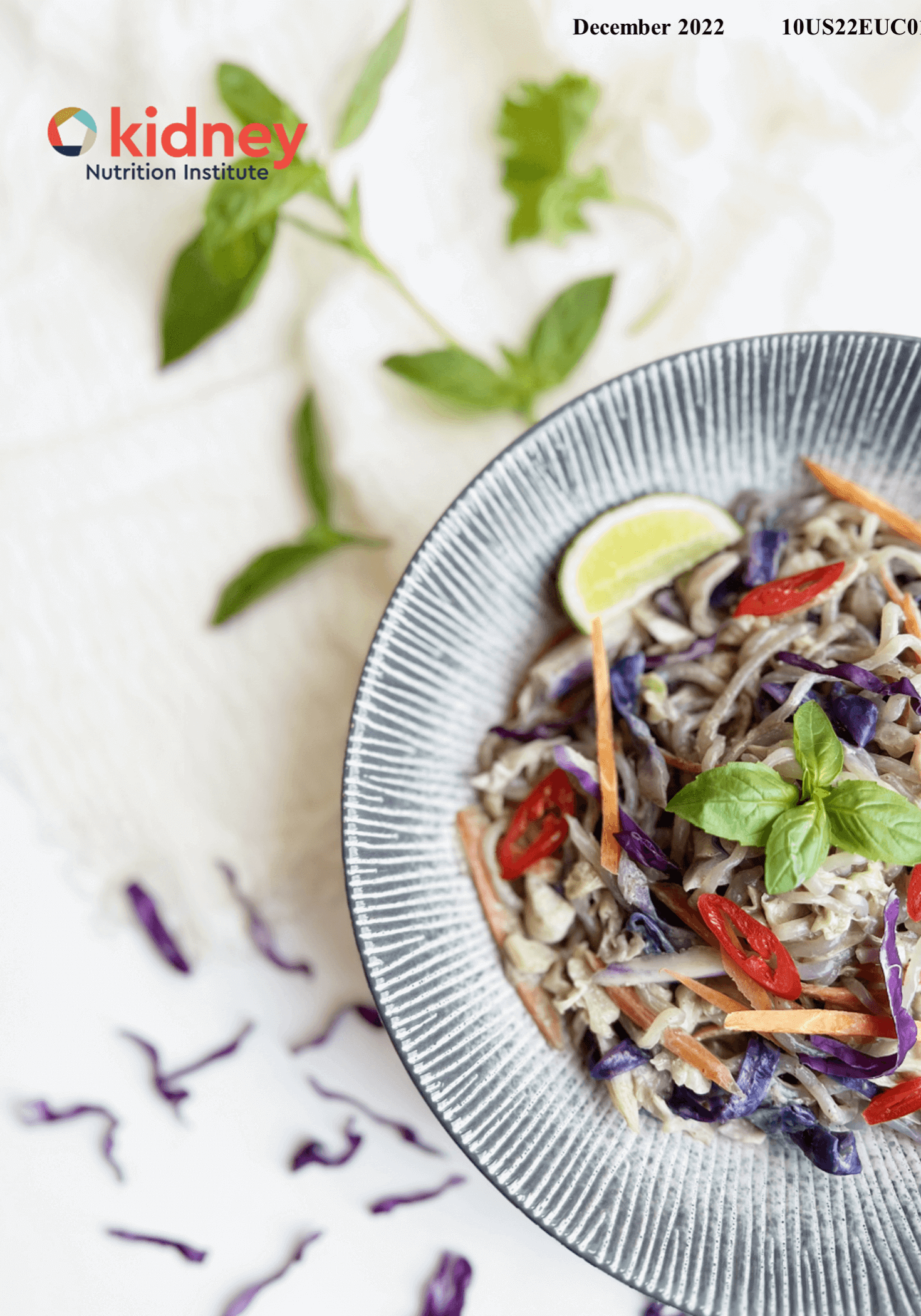
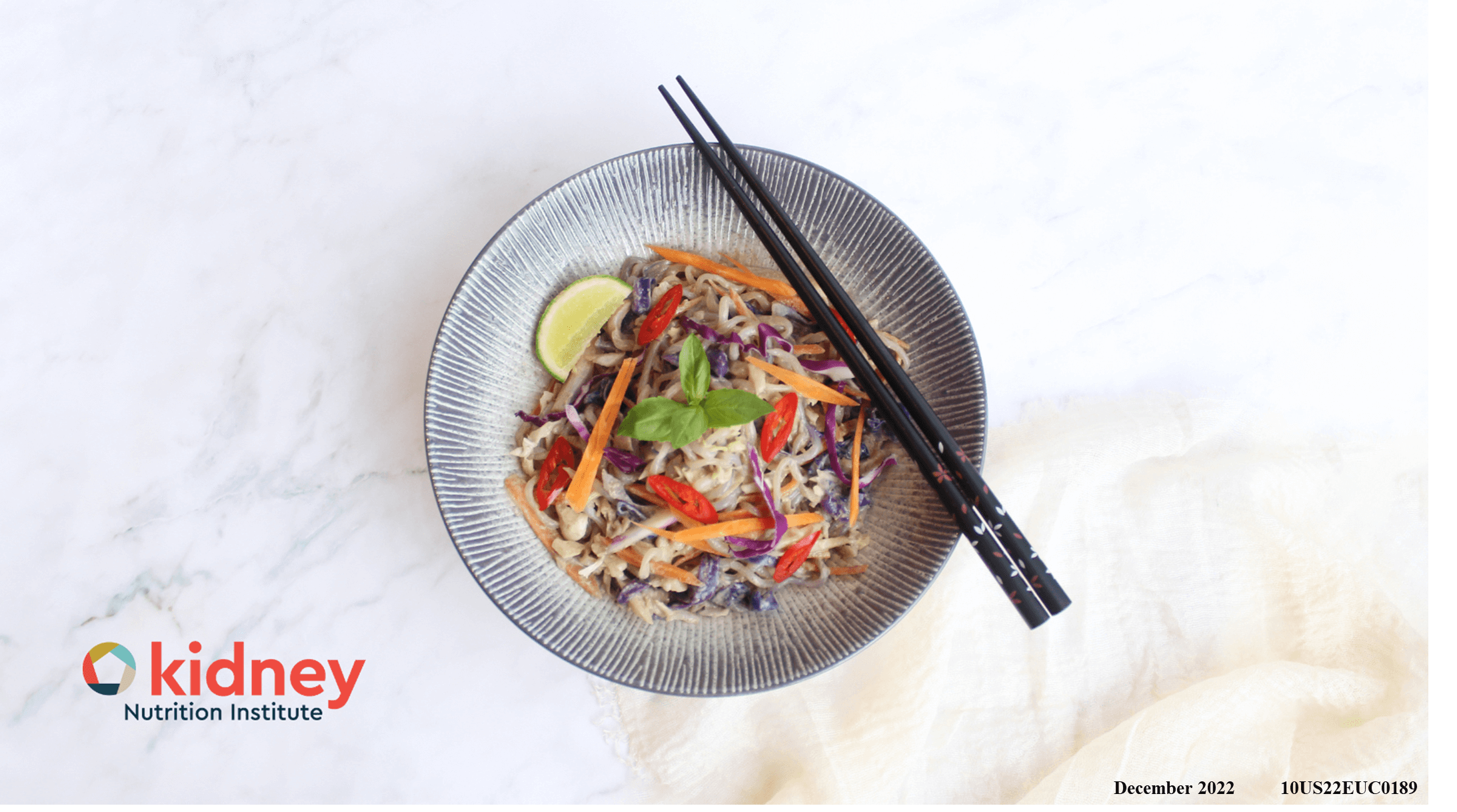
So here we present to you our Thai Curry Shirataki Noodle Stir Fry! This recipe is undoubtedly one of our favorite easiest, most versatile, and reliable PKD/ADPKD recipes. Its prep work is suitable for weekdays but its flavors are worth celebrating even on weekends. It works well for you whether you want to try a low-carb, oxalate-controlled diet, or just trying to increase your plant intake for better kidney health.
Thai Curry Shirataki Noodle Stir Fry
Ingredients
- 200 g wet shirataki noodle
- 1/2 cup coconut cream or coconut milk
- 2 tbsp green curry paste
- 4 cups coleslaw mix or about 3 1/2 cups shredded green and purple cabbage with 1/2 cup shredded carrots
- 1/2 tsp fish sauce to taste
- Optional garnishes: a squeeze of lime, sprig of Thai basil or cilantro and a few slices of green or red chili for color
Instructions
- Optional step to remove the smell from packaged shirataki noodles: after rinsing and draining, boil the noodles in fresh water for about 3 minutes, then drain. Add to a dry sauté pan and stir fry over medium heat for about 5-10 minutes or until you remove all excess moisture. Remove from the pan and set aside.
- Heat coconut milk or cream in a sauté pan over medium heat. Let simmer gently for 3-5 minutes or until slightly thickened and reduced.
- Stir in curry paste and allow to simmer gently for another 5 minutes while stirring occasionally, until the color darkens slightly and the sauce thickens.
- Add coleslaw mix along with the shirataki noodles. Toss and continue to cook for another 5 minutes or until the vegetables are cooked to your desired tenderness and the sauce clings to the noodles.
- Season with fish sauce to taste, give a final toss, and divide into two bowls. Add any optional garnishes and enjoy!
Notes
- Optional flavor boosters: garlic or lemongrass
- You can use any vegetables you have leftover, from fresh bok choy, eggplant or zucchini and even frozen sliced pepper mix for a pop of yellow and red in your curry stir fry.
- For more protein, add some crispy baked tofu, a fried egg, or even some pan-fried fish filet.
- Add some crunch with chopped macadamia or fried shallots.
- Add freshness with extra lime juice, some lime zest, Thai basil leaves, or cilantro
Nutrition
Our Verdict
Keep in mind that this is the most basic recipe to keep things simple and easy for you. Think of it like a blank canvas. Feel free to add more flavor with aromatics, textures with nuts or crispy tofu, or freshness with herbs or lime juice.
You can also adjust the recipe according to your nutritional needs. If you need more protein, add tofu or a runny fried egg on top. If you need more fat, add a drizzle of olive oil, a sprinkle of nuts, or more coconut cream to finish your dish.
This recipe is our fan favorite. It ticks all three checkboxes for a PKD/ADPKD-friendly weekday dinner: easy, versatile, and reliable.
As always, the internet is full of resources to help you on your kidney journey. Here are some places to check out new recipes.
- NephU Kidney Kitchen Creations Cookbook: This campaign focuses on low sodium, potassium modified recipes without added phosphates
- Kidney Nutrition Institute Blog
Click here if you have a kidney-friendly recipe you’d like to submit for consideration in the Kitchen Creations for Kidney Health Cookbook!
Want more tasty and kidney-friendly recipes?
Check out the KNI Shop and choose a 7-day meal plan that works for you. We have meal plans for dialysis, early-stage CKD, PKD and Stage 5 CKD. Full recipes and nutrition information included, along with a grocery list!