Celebrate Fall with Our Brown Butter Sage Roasted Winter Squash
As October arrives and the air turns crisp, it's time to embrace fall flavors. What better way than with a delicious roasted winter squash recipe?
While pumpkins typically get all the attention this time of year, there’s actually a world of other winter squashes to explore.
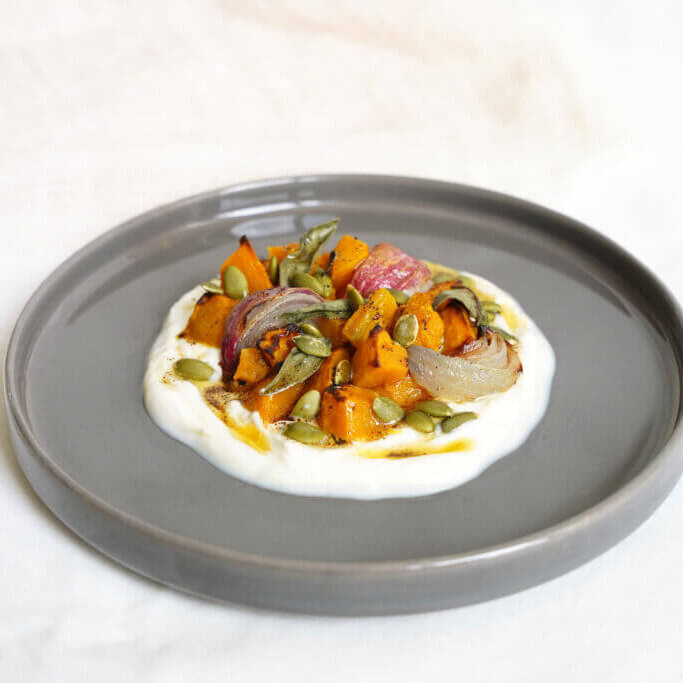
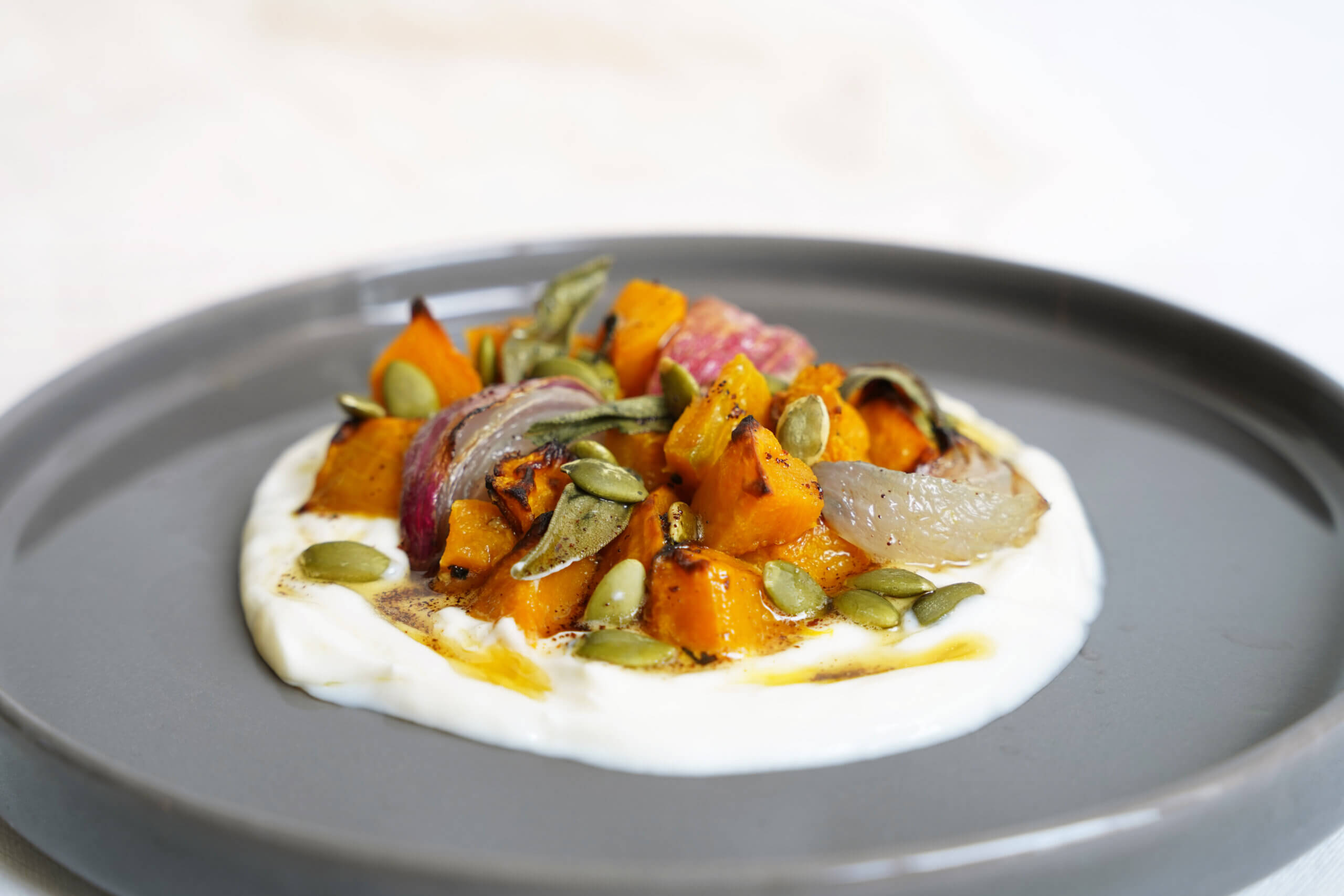
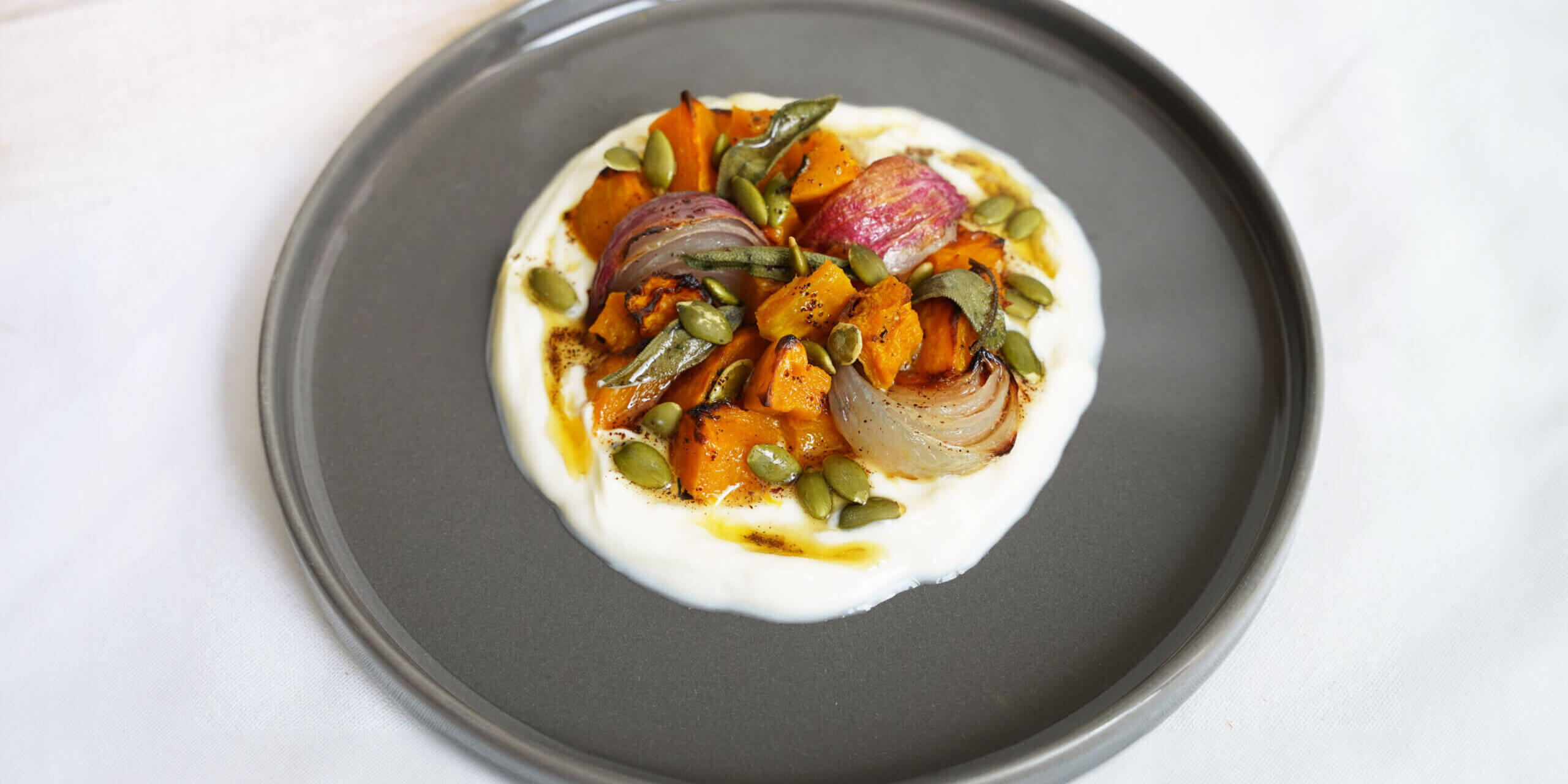
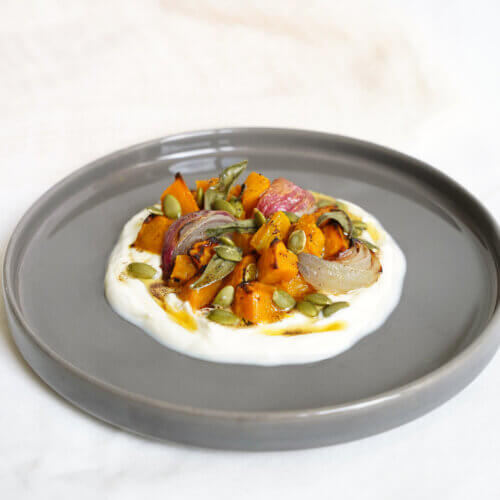
Our Brown Butter Sage Roasted Winter Squash recipe highlights the earthy sweetness of your favorite winter squash, perfectly paired with creamy garlic yogurt and topped with sage-infused brown butter and crunchy pumpkin seeds. This dish is perfect as a beautiful appetizer or a light meal for cozy fall gatherings.
Seasonal Spotlight: Winter Squashes
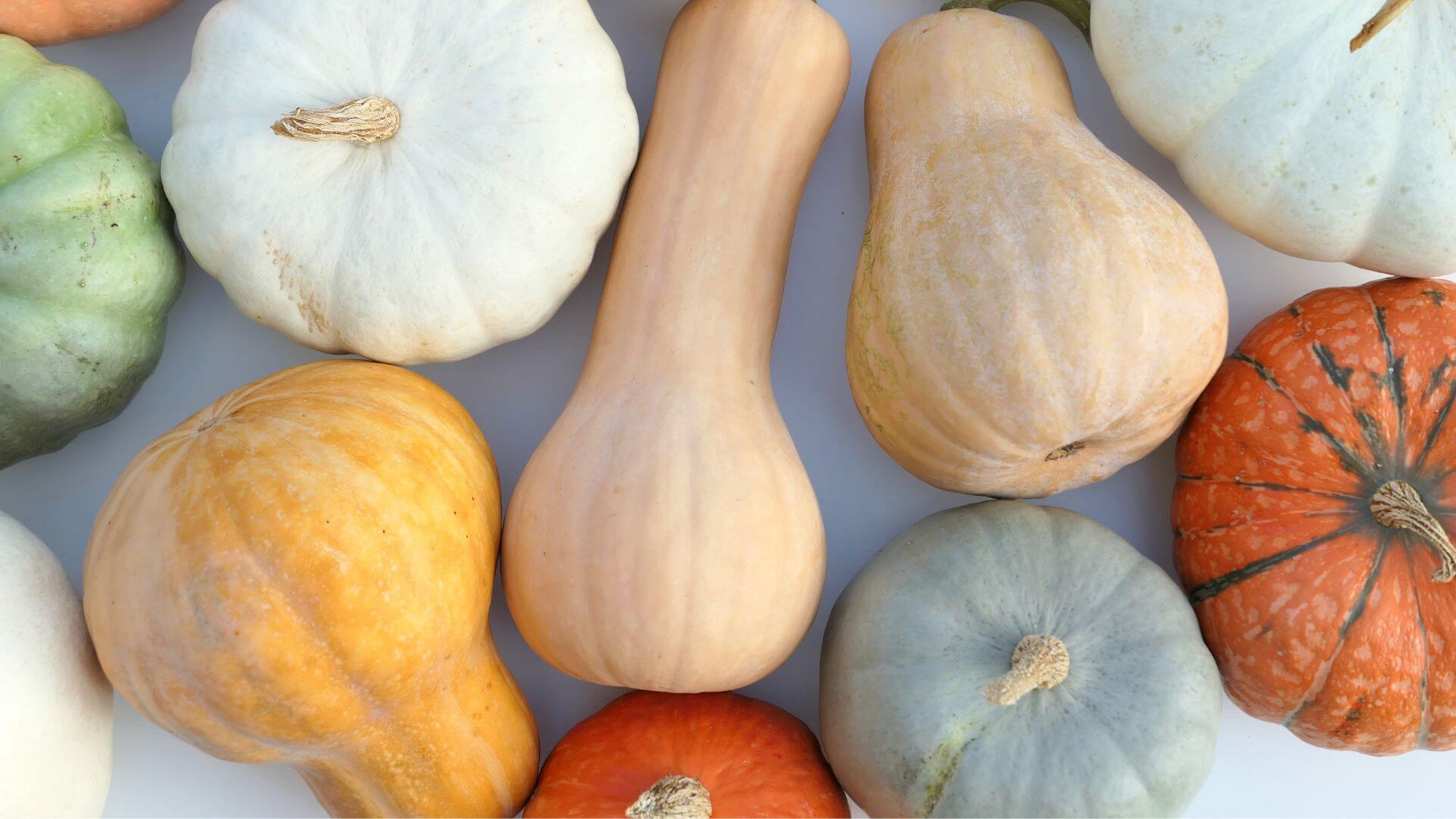
Now that fall is here, let's look beyond the usual pumpkin and explore the diverse world of winter squashes. These hearty, flavorful squashes offer a variety of tastes and nutritional benefits. Compared to summer squashes like zucchini, winter squashes have a firm, dense texture, perfect for roasting, blending into soups, or adding to stews and curries.
Here’s a quick breakdown of some popular winter squashes and their nutrient considerations:
Per 100g, raw:
- Acorn Squash: 40 kcal, 10.4 g carbs, 1.5 g fiber, (9 g net carbs), 0.8 g protein, 347 mg potassium
- Butternut Squash: 45 kcal, 11.7 g carbs, 2 g fiber, (9.7 g net carbs), 1.0 g protein, 352 mg potassium
- Hubbard Squash: 40 kcal, 8.7 g carbs, 3.9 g fiber, (4.8 g net carbs), 2.0 g protein, 320 mg potassium
- Kabocha: 35 kcal, 9.4 g carbs, 2.3 g fiber, (7.1 g net carbs), 0.6 g protein, 235 mg potassium
- Pumpkin: 26 kcal, 6.5 g carbs, 0.5 g fiber, (6 g net carbs), 1.0 g protein, 340 mg potassium
- Spaghetti Squash: 31 kcal, 6.9 g carbs, 1.5 g fiber, (5.4 g net carbs), 0.6 g protein, 108 mg potassium
Are Winter Squashes Kidney-Friendly?
Potassium Considerations
Winter squashes, like pumpkin, often appear on “high-potassium food” lists. While they do contain more potassium, they can still be part of a kidney-friendly diet if consumed in controlled portions.
Potassium needs vary by person, so it’s important to adjust portion sizes based on your overall intake. Not sure about your potassium needs? Download our High Potassium Foods List or book a free discovery call with a KNI dietitian to create your personalized nutrition strategy today!
For those who need to limit potassium, opt for lower-potassium squashes like spaghetti squash (108 mg potassium per 100g) or kabocha (235 mg potassium per 100g). They’re just as tasty!
Protein Considerations
Winter squashes are naturally low in protein, similar to most vegetables. This makes them a great choice for those who need to limit their protein intake. Squashes like pumpkin or butternut squash have less than 2 grams of protein per 100 grams. As such, they are a safe and flavorful addition to a kidney-friendly or low-protein diet, without the concern of over consuming protein.
Carb Considerations
Though a wonderful source of fiber, winter squashes are considered starchy vegetables, meaning they’re higher in net carbohydrates compared to summer squashes like zucchini or yellow squash.
For people with PKD or diabetes looking to manage their carb intake, there are lower-carb options within the winter squash family, such as:
- Hubbard Squash: 4.8 g net carbs
- Spaghetti Squash: 5.4 g net carbs
- Pumpkin: 6 g net carbs
Other Nutritional Benefits
Winter squashes are also low in oxalates, containing just 4 mg oxalates per 1/2-cup portions. This makes them ideal for individuals with PKD or those at risk for kidney stones.
Plus, they are a great source of carotenoids such as beta carotene (vitamin A precursor), lutein, and zeaxanthin. These carotenoids are responsible for the yellow-orange color of these squashes. When consumed, carotenoids act as antioxidants, helping to reduce inflammation in the body.
Customize Your Brown Butter Sage Roasted Winter Squash Recipe
We chose kabocha squash for this recipe (because that was the only squash available at the time of testing), but you can use any winter squash you prefer!
- Want a lower-carb option? Try Hubbard Squash.
- Need a lower-protein option? Use a dairy-free yogurt alternative.
- No sage on hand? Swap it for rosemary or thyme.
- Don’t have pumpkin seeds? Use any nuts or seeds for crunch—pecans, sunflower seeds, or walnuts all work well. If you’re limiting oxalates, avoid almonds or pine nuts.
One thing that’s non-negotiable is the brown butter. Browning butter adds a rich, nutty sweetness that adds complexity and elevates the dish. For best results, use high-quality butter, preferably from grass-fed cows for an extra dose of healthy “conjugated linoleic acid (CLA)” fats.
If you prefer a vegan alternative, melt 1/2 cup of vegan butter, whisk in a teaspoon of sunflower seed butter or nut butter, and simmer until the solids at the bottom turn golden brown.
This recipe is best enjoyed immediately, but if you have leftovers, store the vegetable mixture, brown butter, and yogurt separately. Reheat your vegetables in the microwave, gently melt brown butter over a gentle heat on the stovetop, and serve the yogurt cold or room-temperature. Then simply assemble and enjoy!
Storing and Serving
This recipe is best enjoyed fresh, but if you have leftovers, store the squash, brown butter, and yogurt separately. Reheat the vegetables in the microwave, gently warm the brown butter over low heat on the stovetop, and serve the yogurt cold or at room temperature. Reassemble and enjoy!
Download KNI's Favorite Recipes for Kidney Health
Brown Butter Sage Roasted Winter Squash
Ingredients
- 1 1/2 cups kabocha squash
- 1 medium red onion sliced into wedges
- 2 cloves garlic
- 8-10 sage leaves divided
- 1 1/2 tbsp avocado oil
- A pinch of salt and pepper to taste
- 3 tbsp unsalted butter
- 2/3 cup Greek yogurt or use plant-based yogurt
- 2 tbsp pumpkin seeds roasted
Instructions
- Preheat oven to 425F and line a parchment paper over a baking sheet.
- Place kabocha squash on a cutting board. Carefully slice the top and the bottom part of the squash using a sharp knife. Place squash by the flat bottom and slice in half lengthwise. Place squash cut side down and cut again into quarters. Scoop out the seeds with a spoon then carefully remove the skin using a vegetable peeler. Then, cut squash into small, 1/2-inch cubes.
- Place cubed squash along with red onion wedges, garlic, and 4-5 sage leaves onto the parchment lined baking sheet. Drizzle avocado oil and season with a pinch of salt and pepper. Toss to coat evenly.
- Place baking sheet into the oven to roast for 15-20 minutes or until fork tender and some charred bits start to form.
- While waiting for the squash to roast, add butter and the remaining 4-5 sage leaves into a small, light-colored saucepan and simmer over low heat for 5-7 minutes while carefully stirring or swirling the pan, until the specks of milk solids turn dark brown and your house smells like the fall. Remove from the heat to cool slightly.
- Onto your serving plate, add the roasted garlic (it should be nice and soft) and mash it with a fork. Add Greek yogurt, a pinch of salt and pepper, and mix well to combine. Top with your roasted squash and onions, a sprinkle of pumpkin seeds, and finally drizzle your sage brown butter over top. Garnish with more sage leaves if desired and enjoy!
Nutrition
KNI Verdict: Brown Butter Sage Roasted Winter Squash
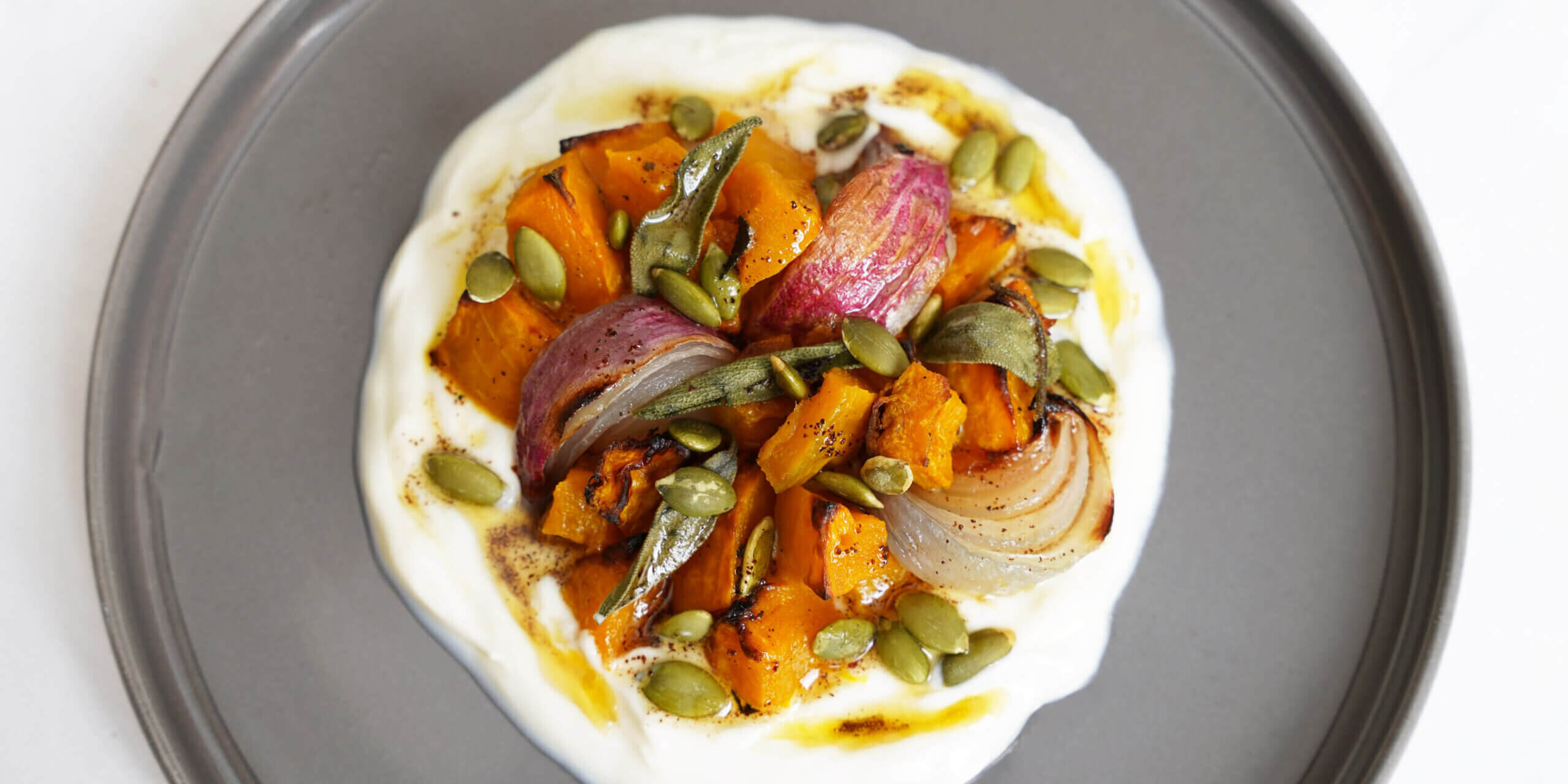
We love this Brown Butter Sage Roasted Winter Squash recipe because it’s a perfect marriage of rich fall flavors. The sweetness of the roasted squash and onion pairs perfectly with the savory, nutty brown butter and crunchy pumpkin seeds. The creamy garlic yogurt ties it all together, making this dish feel indulgent yet balanced. Whether served as an appetizer for holiday gatherings or as a cozy light meal, this dish is sure to impress!
Ready to personalize your renal diet today? Book a free discovery call with a KNI dietitian and begin your kidney health journey today!
Want more tasty and kidney-friendly recipes?
Check out the KNI Shop and choose a 7-day meal plan that works for you. We have meal plans for dialysis, early-stage CKD, PKD and Stage 5 CKD. Full recipes and nutrition information included, along with a grocery list!