
If you have both diabetes and kidney disease, it can be tricky to manage your health priorities, especially through food and nutrition. Follow along for strategies by which we help countless patients discover their kidney- and diabetes-friendly diet.

How does diabetes affect the kidneys?
Diabetes is a condition of high blood sugars. It can be caused by a lack of insulin production, as in type 1 diabetes. However, most (~90%) diabetes cases are type 2 diabetes, which is caused by reduced insulin sensitivity. (1)
Nevertheless, high blood sugars in diabetes can lead to kidney disease. One in three adults with diabetes has chronic kidney disease (CKD). (2)
Uncontrolled high blood sugar over time produces inflammation, which causes scarring and damages blood vessels. Because the kidneys are full of tiny blood vessels, eventually, these insults will reduce kidney function and result in CKD. (3) If not properly controlled, this can lead to kidney failure and further complications in the eyes, nerves, and heart!
That being said, controlling blood sugar is extremely important if you have diabetes. It is even more important if you have both diabetes and kidney disease. A proper renal and diabetic diet can prevent the progression of other complications and help you maintain better kidney function.
Medications help, but it is only a fraction of the story. Your whole lifestyle matters. Proper nutrition, staying active, maintaining a healthy weight as well as blood pressure control all matters. And we are here to help you get clarity on balancing both your diabetes and kidney health priorities.

What you eat matters
Here are our top priorities when managing diabetes and CKD:
A. Carb control to manage blood sugars
Maintaining a healthy range of blood sugars is important to prevent inflammation and blood vessel damage, as mentioned above. This points to carbohydrates.
Carbohydrates from foods like bread, grains, or even fruit are digested into simpler sugars. When absorbed, these sugars will cause your blood sugar to rise.
Reducing carbohydrates or even a ketogenic approach has been shown to improve blood sugars, boost weight loss, and even improve kidney health in CKD! (4)(5)
A dietitian can help you determine if a low carb or ketogenic approach can be right for you.
If you are not ready for a ketogenic or lower carbohydrate approach, our dietitians will help determine the amount of carbohydrates that work for you. This depends on many factors, including weight status, activity, and current blood sugar numbers.
For better carb control, our approach will also include an emphasis on fiber and healthy fats. We emphasize LOTS of vegetables and some fruits or nuts, seeds, and some fruits. For healthy fats, we love including avocado, nuts, seeds, nut/seed butter, olive oil, and coconut milk.
We will also guide you on getting just the right amount of protein for your health and kidney function.
Sounds overwhelming? Don’t worry – your dietitian will work with you step by step to implement a nutrition plan that works for you.
B. Plant proteins for kidney health
Overeating protein burdens the kidneys and can lead to a faster decline in kidney function. The current nutrition guidelines recommend a low-to-moderate protein diet for CKD and diabetes. For an average 175 lbs adult, this calculates to 50-65 grams of protein daily but will depend on individual needs. To compare, the average American eats closer to around twice that amount! (6)
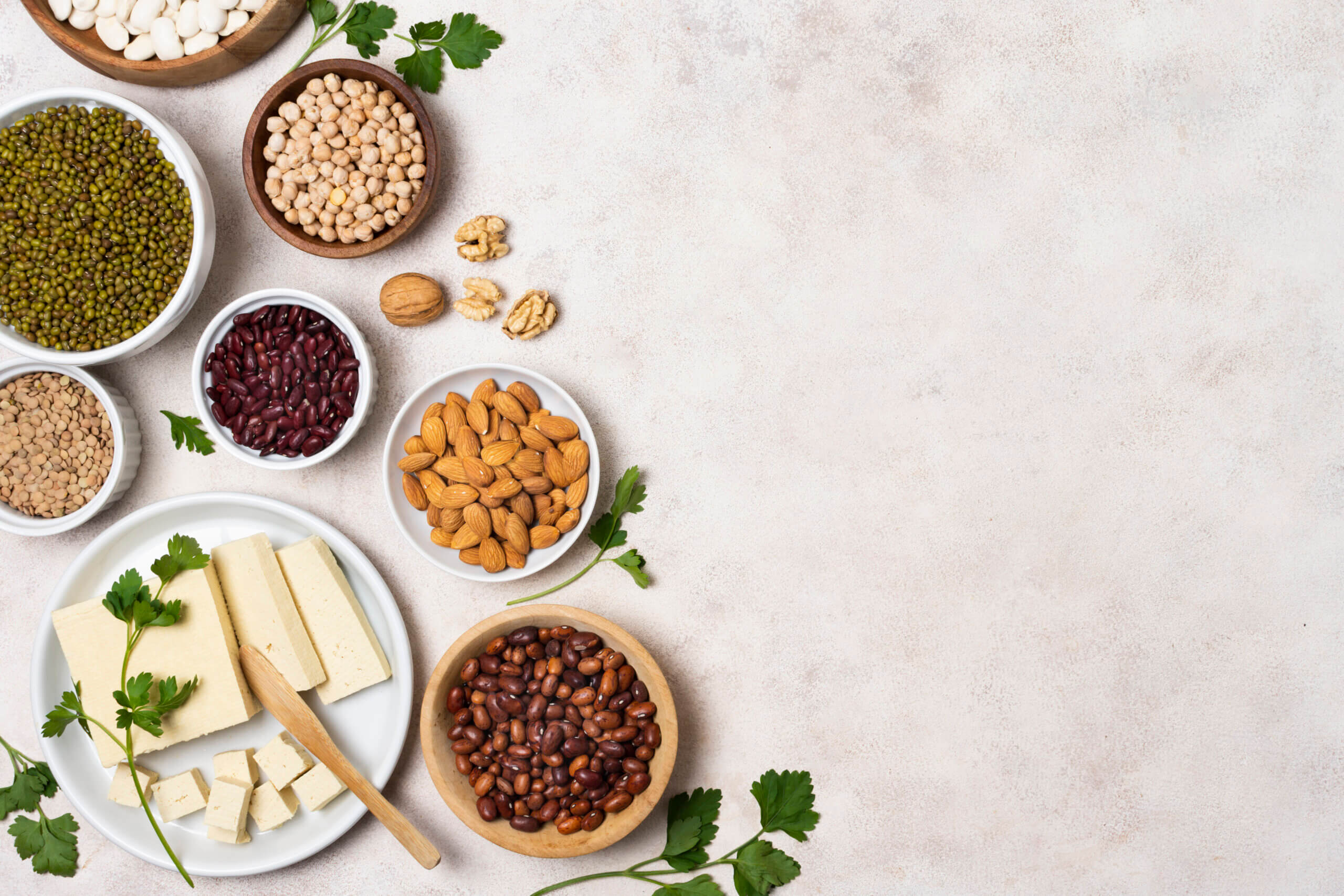
In addition to the amount of protein, the type of protein also matters. At KNI, we recommend prioritizing plant proteins. Plant proteins are naturally lower in protein, so will prevent you from overeating protein. In addition, plant foods also nourish the gut and keep your phosphorus and acid-base balance in check!
Bonus point: increasing plants also reduces inflammation! This means better protection against blood vessel damage and better maintenance of your kidney function.
C. Reduce inflammation
Returning to priority #1, managing blood sugars and preventing high numbers will help reduce inflammation. Additionally, ketogenic diets have also been shown to have antioxidant properties which help dampen inflammation. (7)
Returning to priority #2, including more plants in your diet, can reduce inflammation. Plants of different colors (think dark green leafy vegetables, bright red and purple berries, yellow spices like turmeric, brown walnuts, or even white soy tofu) all contain antioxidants. If you think of inflammation as a fire, antioxidants are like fire extinguishers.
Also, did you know that your gut can be a major source of inflammation? Gut bacteria composition and balance may worsen as CKD progresses. An imbalanced gut contributes to inflammation and toxin production. (8)
Restoring gut balance and health is one of our main goals. Including fermented foods like yogurt or taking probiotic supplements is helpful. Increasing fiber with vegetables and fruits can also nourish good gut bacteria, reducing inflammation.
D. Blood pressure management
Maintaining normal blood pressure is important to prevent protein from spilling into the urine, which can lead to kidney damage. This is a priority at Kidney Nutrition Institute because uncontrolled high blood pressure, especially when paired with high blood sugars, can increase the risk of heart disease.
The current dietary guidelines recommend a low sodium diet for the management of CKD, diabetes, and high blood pressure.(6) To do so, we help you discover your greatest sodium sources to reduce and refocus on low sodium, no-salt flavors like aromatics, herbs, spices, citrus, and vinegars.
In addition to sodium, adding more potassium could also be helpful in managing blood pressure.(9) Often people with CKD are told to cut out high potassium food, but recent guidelines recommend only restricting if your potassium level is actually high on your labs. Ask your dietitian to know the right amount of potassium for you and your blood pressure.
Moreover, KNI dietitians also recommend other holistic lifestyle strategies for blood pressure management and overall health including physical activity, stress management, and even certain kidney-safe herbals.
Want more information? Book your free Discovery Zoom Call with Kidney Nutrition Institute for better health today!
Grab our Diabetes & Kidney Disease Mini Nutrition Guide
Our Diabetes & Kidney Disease Mini Nutrition Guide shows you the top 8 opportunities to start improving and preserving your kidneys today!
Join the KNI Care newsletter to get this free resource!