Constipation and kidney disease? You're not alone. Not only does constipation affect more than 15% of the general population, but chronic kidney disease (CKD) increases the risk of constipation (1) Many people are shy to talk to their doctor about constipation but it can affect your health and there are things you can do to get your gut moving!
In this post, we'll walk you through a step-wise approach to finding relief naturally. We'll cover everything from diet and lifestyle to the benefits of prebiotics and probiotics.
Disclosure: This post is sponsored by Kibow Biotech, the producer of Renadyl, a probiotic for kidney health. As always, all opinions are my own.
What is constipation?
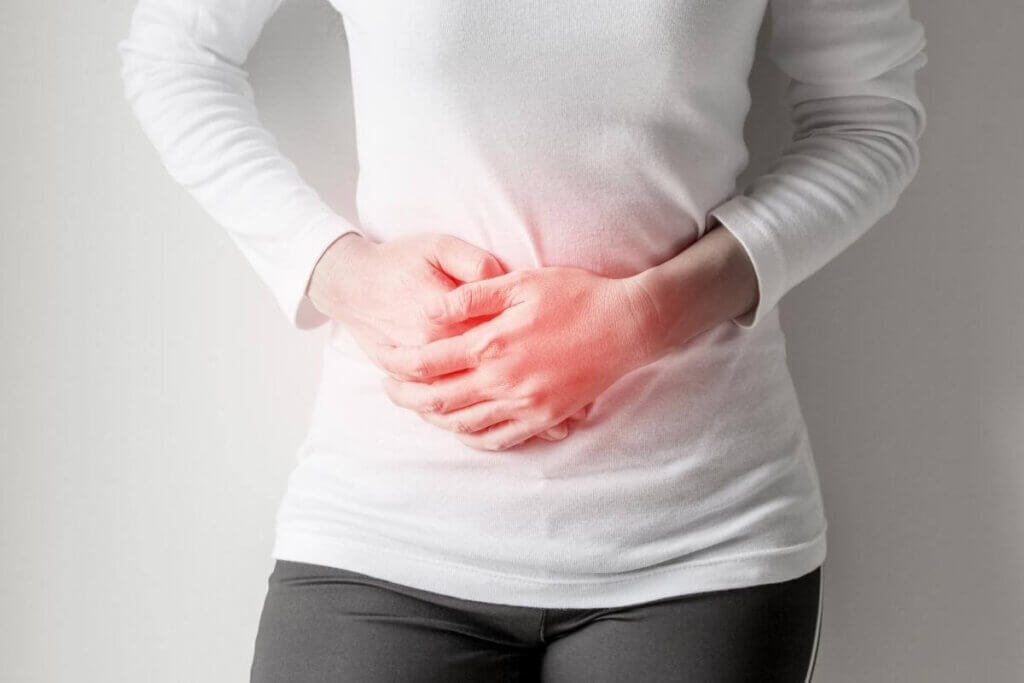
The National Institute of Diabetes Digestive and Kidney Diseases says that the following are signs of constipation:
- Fewer than three bowel movements a week
- Stools that are hard, dry, or lumpy
- Stools that are difficult or painful to pass
- A feeling that not all stool has passed
During the process of digestion, food travels through the digestive tract, where nutrients are absorbed. Anything that is not needed (waste) moves from the small to the large intestine, where water is absorbed. The remaining waste (stool) leaves the body during a bowel movement. (2)
With constipation, undigested food may move too slowly through the digestive system, which means more water gets absorbed, resulting in stool that is dry, hard, and difficult to pass.
Why is constipation so common in patients with CKD?
Not everyone with CKD experiences constipation, but you know how uncomfortable of a feeling it can be if you do. Not only can it cause pain and bloating, but it can also impact quality of life, appetite, and nutritional status!
There are many reasons why people with kidney disease are more at risk of developing constipation.
Not enough dietary fiber
Most people in America don't get enough fiber from their diet. The recommendation for daily fiber is 25 grams for women and 38 grams for men. However, a survey conducted by the CDC called What We Eat in America from 2009-2010 found that males and females over the age of 2 consumed only 16 grams of fiber per day. Much less than the recommended amount!
Take a diet that's already low in fiber and add renal diet restrictions, and you'll find yourself really in a bind, literally!
The traditional renal diet limits many high fiber foods like fruits, vegetables, whole grains, nuts, and beans to reduce potassium and phosphorus. These old and outdated recommendations are perpetuated on the internet and still, causing many people to reduce some of the best fiber foods unnecessarily. Unfortunately, avoiding these healthy plant-based foods results in not getting enough fiber, not to mention essential nutrients!
Fortunately, in recent years evidence from research shows that more plant-based foods benefit people with CKD! Some of the old restrictions of no nuts, no beans, and cutting back on healthy vegetables are just plain outdated. More on that below!
Dehydration
Remember that constipation can occur because too much water is absorbed from stool in the large intestine? Not drinking enough fluid can make this worse!
We don't just fall short on fiber; we also don't drink enough water. The What We Eat in America survey results from 2009-2012 (3) showed that Americans' average amount of fluid was only around 3 cups per day!
Finding the right amount of fluid to manage constipation can be difficult for folks with CKD, especially if you are on dialysis or have a fluid restriction. Everyone is different. Some people need a fluid restriction, and others don't. Talk with your renal dietitian about strategies to know how much fluid is right for you.
Slowed digestion
Many diseases and conditions that overlap with CKD can cause slowed digestion which increases the risk of constipation. (4) The following are some examples of conditions that can negatively impact digestion:
- Diabetes (5)
- High PTH level
- Underactive thyroid
- High levels of calcium in the blood
Lack of exercise may also be a cause of slowed digestion. Therefore, scientists are considering using exercise to treat constipation (6) because it has benefits extending far beyond the bathroom!
Medications and supplements
Many common medications and mineral supplements can cause constipation. Of course, each person is unique, and how our bodies react to and handle medicines is different, but below is a list of the most common meds knowing to contribute to constipation:
- Anti-depressants
- Blood pressure medications
- Anti-nausea medications
- Phosphorus and Potassium binders
- Iron supplements
- Calcium supplements
Talk to your doctor or pharmacist if you have any questions or concerns about whether or not your medications or supplements may be a cause of your constipation and any possible alternatives.
Dysbiosis
If you've been following us a while, then you know that we believe that gut health is an essential part of kidney care!
Dysbiosis refers to an imbalance of the good bacteria and harmful bacteria in the colon. Dysbiosis can affect the gut lining, which can lead to toxins passing from the digestive tract into the bloodstream. (7)
Unfortunately, dysbiosis is common in people with kidney disease. Why does this happen?
When the kidneys aren't working to the best of their ability, toxins usually filtered by the kidneys wind up in the digestive system. These toxins allow "bad bacteria" to flourish and take over the healthy bacteria.
Not enough good bacteria in the gut can lead to problems, too, including inflammation which may lead to constipation. (8)
We'll be unpacking how to correct this imbalance and how it helps with both gut health and kidney health coming up!
Lifestyle strategies for treating constipation

Now that we understand that constipation is a common problem for people with CKD, the question is, what can we do about it? The KidneyRD team strongly believes in a step-wise approach that starts with lifestyle change to improve overall health and wellbeing.
Our first line of defense for constipation includes the 3 F's: Fiber, fitness, and fluid- let's deep dive into each of them!
Fiber
All plant foods contain fiber, including fruits, vegetables, whole grains, nuts, and beans. We can't digest fiber, so it passes through our digestive system, creating bulk and helping carry waste out of the body. (9)
There are two forms of fiber:
Soluble fiber- soluble fiber is dissolved in water and fluids. Its superpower is to carry cholesterol out of the body and lower blood sugar. Soluble fiber also feeds the good bacteria in the colon.
A few examples of foods that are high in soluble fiber include:
- Apples
- Oats
- Lentils
- Nuts
Insoluble fiber- insoluble fiber cannot be dissolved in water. It creates bulk to carry waste through the digestive system, almost like a broom. Certain insoluble fibers can also help to feed good bacteria. Foods high in insoluble fiber include:
- Whole grains
- Beans
- Vegetables
Many plant foods contain a mixture of both types of fiber.
Getting enough fiber while managing your kidney diet
Like we discussed before, women should aim for a minimum of 25 grams of fiber per day, and men should consume about 38 grams per day. If you're feeling uncertain about adding in beans, whole grains, and fruits and vegetables, a renal dietitian can help you make a plan that works for you. Otherwise, start slow and build up the amount of fiber over time.
For example, maybe start by switching any white or processed products (white rice, white bread, etc...) for whole-grain items. Then add one extra fruit or vegetable per day to your regimen until you hit 7-9 servings per day. If you know your potassium runs on the higher side, use our low potassium fruits and the vegetable list below.
Phosphorus
We probably sound like a broken record, but we can't stress this enough. Decades of research have shown that the phosphorus that comes from plants is not fully absorbed.
Phosphorus found in plant foods like beans, whole grains, and nuts is bound to phytate. Humans do not have the enzyme needed (phytase) to break down phytate. (10) Studies have shown that less than half of the total phosphorus from plants is absorbed.
On the other hand, phosphorus found in meat and dairy is about 60-80% absorbed, while added phosphorus is 100% absorbed. (11) If you haven't heard about phosphorus additives, check out our article on these sneaky ingredients!
Likely you don't need to avoid healthy plant foods like whole grains, beans, and nuts to lower phosphorus intake. If you're uncertain or you notice your phosphorus trending up, back off of these foods temporarily and work with your renal dietitian to help you understand where phosphorus may be coming from in your diet.
Potassium
Not everyone with CKD needs to limit potassium. Still, if potassium is a concern for you, there are plenty of low potassium fruits and vegetables that will help you reach your fiber goals!
Sometimes, potassium can come in the form of non-nutritious foods that have little benefit. For example, fruit juices, potassium enhanced food, and even too much animal protein and dairy can increase potassium levels in the blood. Swapping non-nutritious sources of potassium for high fiber plant sources has a much greater impact on health!
Some of the lower potassium fruits and vegetables with plenty of fiber include:
| Fruit | Vegetables |
| Apples | Asparagus |
| Blackberries | Broccoli |
| Blueberries | Cauliflower |
| Cherries | Cucumber |
| Grapes | Green Beans |
| Mandarin Oranges | Lettuce |
| Pears | Radishes |
| Raspberries | Peppers, sweet |
| Strawberries | Spaghetti Squash |
Strategies for adding more fiber to meals and snacks:
If you think you might not be getting enough dietary fiber, consider these simple strategies to add more fiber to your day!
- Use beans instead of meat in soups or casseroles
- Make half of your bread, rice, or pasta whole grain
- Instead of snacking on cheese and crackers, choose nuts and grapes
- Snack on veggies and hummus instead of chips and dip
- Start your day with oatmeal instead of processed cereal for breakfast and add fruit and nuts
If you're still concerned about potassium, work with a renal dietitian to add more high-fiber foods while managing your potassium.
Prebiotic Fiber
If getting enough fiber through food is a challenge, fortunately, fiber supplements are another option! Fiber supplements are not only a source of fiber; they also contain prebiotics.
Remember how dysbiosis is common with reduced kidney function and is one of the causes of constipation? Fiber and prebiotics are some of the best ways to treat dysbiosis! (12)
Prebiotics are a part of the fiber that feeds the good bacteria, "probiotics," in the colon. Food sources of prebiotics are those fiber-rich foods mentioned above:
- Fruits
- Vegetables
- Whole grains
- Nuts
- Legumes/ beans
Many fiber supplements also contain prebiotics. You may be familiar with some of the most common brands, for instance:
- Metamucil- Inulin, or psyllium
- Benefiber- Wheat dextrin
- Citrucel-methylcellulosee
- FiberWell- polydextrose.
While these are fine choices, other products may have even more benefits. For example, prebiotic fiber blends that include different types of fiber will help different kinds of good bacteria thrive. This can help improve gut health in many different ways.
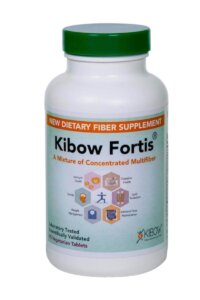
Kibow Fortis is one of our favorite multi-prebiotic fiber blends. Kibow Biotech, the makers of Kibow Fortis, chose seven different fiber types because of their ability to impact two critical probiotics for gut health: Lactobacilli and Bifidobacteria.
One serving of Kibow Fortis contains 4 grams of fiber and includes both soluble and insoluble fiber. Both of these types of fiber have a positive impact on constipation and the dysbiosis that occurs with kidney disease. In addition, the fibers in Kibow Fortis have been associated with the following health benefits:
- Reduced cholestrol levels
- Weight management/ satiety
- Immune enhancement
To see the complete list of prebiotic fibers included in Kibow Fortis and their perks, visit the Kibow Fortis website!
Fitness

Get things moving! Exercise is important for many different reasons, from maintaining a healthy weight to managing stress and anxiety. In addition, studies show that exercise that gets your heart pumping (aerobic exercise) can improve constipation. (13)
Aerobic exercise increases blood flow throughout the body, including the digestive system. Getting oxygen-rich blood flow to the intestines helps the smooth muscles of the digestive tract work to the best of their ability, which may improve digestion.
We know that getting exercise can be easier said than done. If you are dealing with anemia or are on dialysis, fatigue can make it hard to get to even the day-to-day activities, never mind exercise.
Here are some tips that might make exercise more manageable:
- If you are on hemodialysis, exercise on your non-treatment days
- If exercising upright causes dizziness, consider a bike that reclines
- Loss of feeling in your feet? Check out these tips from the Foundation of Peripheral Neuropathy
- New to exercising? Work with a physical therapist or a trainer who has a medical background to exercise safely
Ask your doctor about how to safely add exercise to your healthy lifestyle.
Fluid
Not everyone with kidney disease needs to limit fluids, and as you may recall, most people don't drink enough. Yet, our bodies need fluid to do all of its vital jobs, including bowel movements.
As we age, we lose our sense of thirst. (14) That means that our brains may not pick up on the signals that we need more fluid when we are dehydrated. We all have different fluid needs, and these needs depend on:
- Age
- Body size
- Medications
- Temperature
- Activity level
- Kidney function
- Dialysis
Work with your doctor or renal dietitian to find out how much fluid is right for you! If you suspect that you aren't getting enough fluid, check out these strategies to get more fluid during the day:
- Use a reusable water bottle that measures fluid to keep track of intake
- Set a timer for a water break if you have a hard time remembering to drink
- Drink with meals and snacks
- Choose water, all fluids count, but sugary drinks can wind up making you thirstier
- Dislike plain water? Add a boost of flair with fresh lemon, mint, or even cucumber. True Lemon is a great option for adding flavor to water.

What to expect with lifestyle strategies to treat constipation
When starting out with new healthy habits of more fiber, physical activity, and fluid, change may not happen overnight. Give these strategies a couple of weeks and monitor for changes in how often you have a bowel movement and how easy they are to pass.
We also recommend knowing what your stool looks like; how our stool looks can tell us a lot about our gut health. The Bristol stool form scale is a tool that helps to identify constipation and diarrhea. If you haven't seen the bristol stool chart, make sure to check it out!
The benefits of these strategies extend far beyond constipation. However, regardless of whether or not these strategies help, we recommend continuing to engage in healthy habits that include: a nutritious and fiber-filled diet, physical activity, and fluids that fit your individual needs for your overall health and wellbeing!
What if lifestyle changes don’t work?
It's frustrating when the 3 F's don't ease constipation. But, if you've given these a try for at least a couple of weeks and still aren't seeing any improvement, it may be time to think outside of the box on other strategies.
Before opting for over-the-counter or prescription medications for constipation, consider adding probiotics.
What are probiotics?
The World Health Organization (WHO) defines probiotics as "live microorganisms that when administered in adequate amounts, confer a health benefit to the host." (15). Probiotics can be taken in supplemental form and are also found in cultured or fermented foods, including:
- Yogurt
- Sauerkraut
- Kimchi
- Homemade pickles
- Tempeh
- Miso
- Natto

Does eating live microorganisms sound gross? Consider this; the human gastrointestinal tract is the home of millions of bacteria, viruses, archaea, fungi, and protozoa. We lovingly call this ecosystem the microbiome. We've all got one, and the fascinating thing about it is that no two are alike!
Over the last decade, understanding and research of the role of the microbiome on human health have been booming! This research has led to conclusions that probiotics have the potential to serve as a therapeutic strategy for several conditions, including: (16)
- Antibiotic-associated diarrhea
- Irritable Bowel Syndrom (IBS)
- Obesity
- High Cholesterol
- Inflammatory skin conditions
- Immune health
In addition, there is mounting evidence that probiotics effectively treat the dysbiosis that occurs in chronic kidney disease and can help alleviate the symptoms of uremia. (17)
How can probiotics help constipation?
How exactly probiotics improve constipation is a mystery that is still unraveling. While more clinical trials are needed, there is compelling evidence that probiotics are a potential therapy for constipation. Let's unpack some of the ways researchers think probiotic treatment may help with this common complaint.
Dysbiosis
When researchers evaluated stool samples of individuals with constipation, there were significant differences compared to healthy controls.
The significant finding was that the individuals with constipation had lower amounts of two types of good bacteria, bifidobacteria and lactobacilli, compared to individuals without constipation. (18)
These findings are an important reminder that dysbiosis can play a role in irregularity!
Inflammation and gut motility
Chronic low-grade inflammation found in the lining of the intestines has been identified as a primary culprit in many of the gastrointestinal disorders that cause constipation and/or diarrhea, including Inflammatory Bowel Disease (IBD) and Inflammatory Bowel Syndrome (IBS). (19)
This inflammation causes a disturbance in the enteric nervous system (ENS), the communication pathway from the gut to the brain that affects its function.
If you've noticed that GI symptoms like diarrhea, constipation, or stomach aches appear with stress or worry, that is your ENS at work! Our bodies are so fascinating, aren't they?
Having the right balance of bacteria in the gut has a significant impact on inflammation. Certain bacteria can cause more inflammation and degrade the lining of the gut. In contrast, others can help repair the integrity of the gut due to their anti-inflammatory properties and ability to repair the lining of the gut wall.
The two strains of beneficial bacteria that were reduced in individuals with constipation are the most important probiotic strains for gut health, Lactobacilli, and Bifidobacteria.
When to consider probiotics for constipation
If lifestyle strategies, fiber, fitness, and fluid or fiber supplements do not help alleviate constipation, probiotics are a great next step before moving to over-the-counter or prescription medications. While probiotics may not work for everyone, it can be considered a "might help, won't hurt approach"!
What type of probiotics have the most significant impact on constipation?
There are endless options available for probiotics on the market, and it's hard to know where to begin! While researchers are still evaluating which probiotic strains have the most significant impact on different gastrointestinal symptoms, scientists may be getting closer.
Several studies and reviews of recent research have found that the most significant impact on constipation has been found with Bifidobacterium and lactobacillus. (20, 21) These are the two bacterial strains found to be lowest in individuals with constipation.
We like using Renadyl for many of our patients, especially with CKD, as it is uniquely designed for CKD and uremic toxin removal.
The three bacterial strains in Renadyl were specifically chosen to metabolize uremic toxins and nitrogenous waste products and restore the normal balance of bacteria in the colon, improving dysbiosis and constipation. These bacteria include:

- Streptococcus thermophilus
- Lactobacillus acidophilus
- Bifidobacterium longum
While CKD patients primarily use Renadyl to support kidney health by reducing uremic toxins, the probiotic ingredients provide a secondary benefit for digestive health by restoring beneficial bacteria in the gut!
Therefore, using Renadyl can significantly impact gut health and kidney health; how incredible is that!?
Synbiotics- a recipe for gut health!
In addition, Renadyl contains psyllium husk, a prebiotic fiber that promotes the growth of beneficial bacteria. Combinations of pre-and probiotics are called synbiotics that have a synergistic effect of inhibiting the growth of pathogenic bacteria and enhancing the growth of beneficial bacteria. (22)
Over the counter medications for constipation
Suppose symptoms of constipation do not improve with the lifestyle changes and a trial of prebiotics or probiotics. In that case, it may be necessary to begin taking an over-the-counter treatment for constipation.
Because there are so many available treatments, we will save this topic for another post. Talk with your physician or registered dietitian about over-the-counter medications for constipation if the natural strategies do not provide relief.
In Summary
Constipation is a common complaint for individuals living with CKD. Now that you know all of the science behind why this can happen, let's review the key strategies to find relief naturally!
- Start with lifestyle changes, the 3 F’s! Increasing dietary fiber, consuming the right amount of fluid for your individual needs, and finding ways to stay physically active are all ways to naturally promote regularity!
- If managing potassium and phosphorus is a challenge or you find it difficult to consume the recommended amount of fiber consider using a prebiotic supplement. One of our favorites is Kibow Fortis because it contains 7 different types of prebiotic fibers and because it has a positive effect on gut health which is directly linked to kidney health!
- Dysbiosis is a driving force behind constipation, and probiotic therapy is emerging as a promising treatment option! Renadyl contains several different strains of bacteria that reduce uremic toxins in the gut and can help restore balance to microbiome!
In addition, Renadyl contains prebiotic fiber, which offers a synbiotic benefit, further enhancing gut health, which directly impacts kidney health!
Diet matters for tackling constipation and chronic kidney disease!
If these strategies do not help, consult with the renal dietitian at your dialysis clinic or book a consultation with a renal dietitian to create a personalized plan for treating constipation!
To learn more about Kibow Fortis and Renadyl, including ordering, visit the Kibow Biotech website.