

Preventing Post Transplant Diabetes
A Clinical Framework for Supporting CKD Patients Before Kidney Transplant
Cost: $35
Why this course
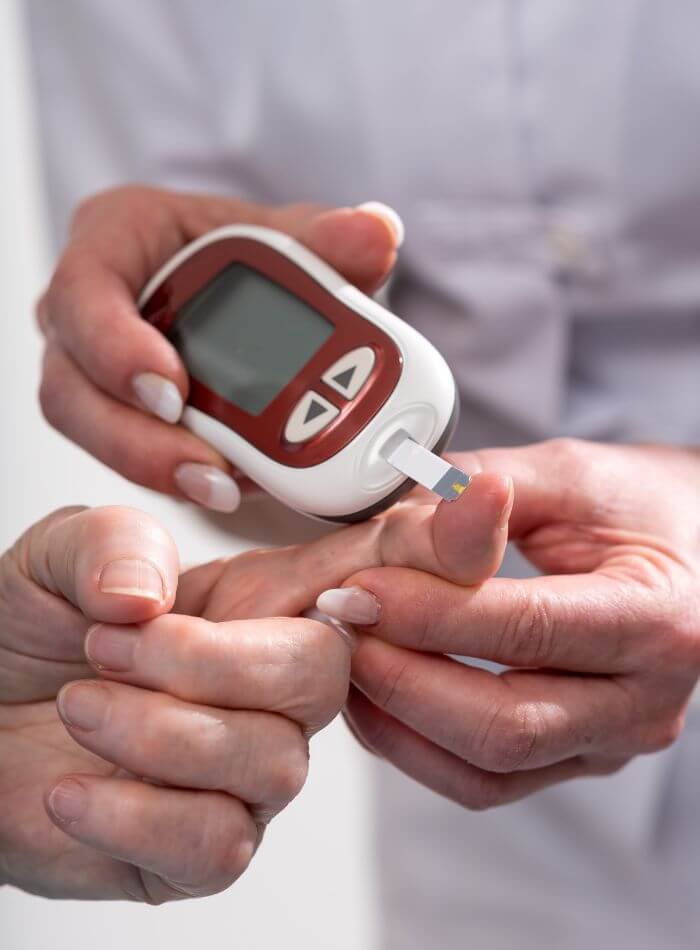
Post-transplant diabetes affects an estimated 10–40% of kidney transplant recipients within the first year, often within the first 3–6 months.
While immunosuppressant medications are a major contributor, other modifiable risk factors may also play a role. This creates an important opportunity to support CKD patients before transplant.
Because this is an area with limited clinical guidance, this roundtable will dig into the current evidence and explore:
• Key risk factors for post-transplant diabetes
• Practical assessment strategies before transplant
• Nutrition, lifestyle, and gut health considerations
• How to apply current evidence when guidance is limited
• Clinical challenges and implementation strategies from fellow renal dietitians
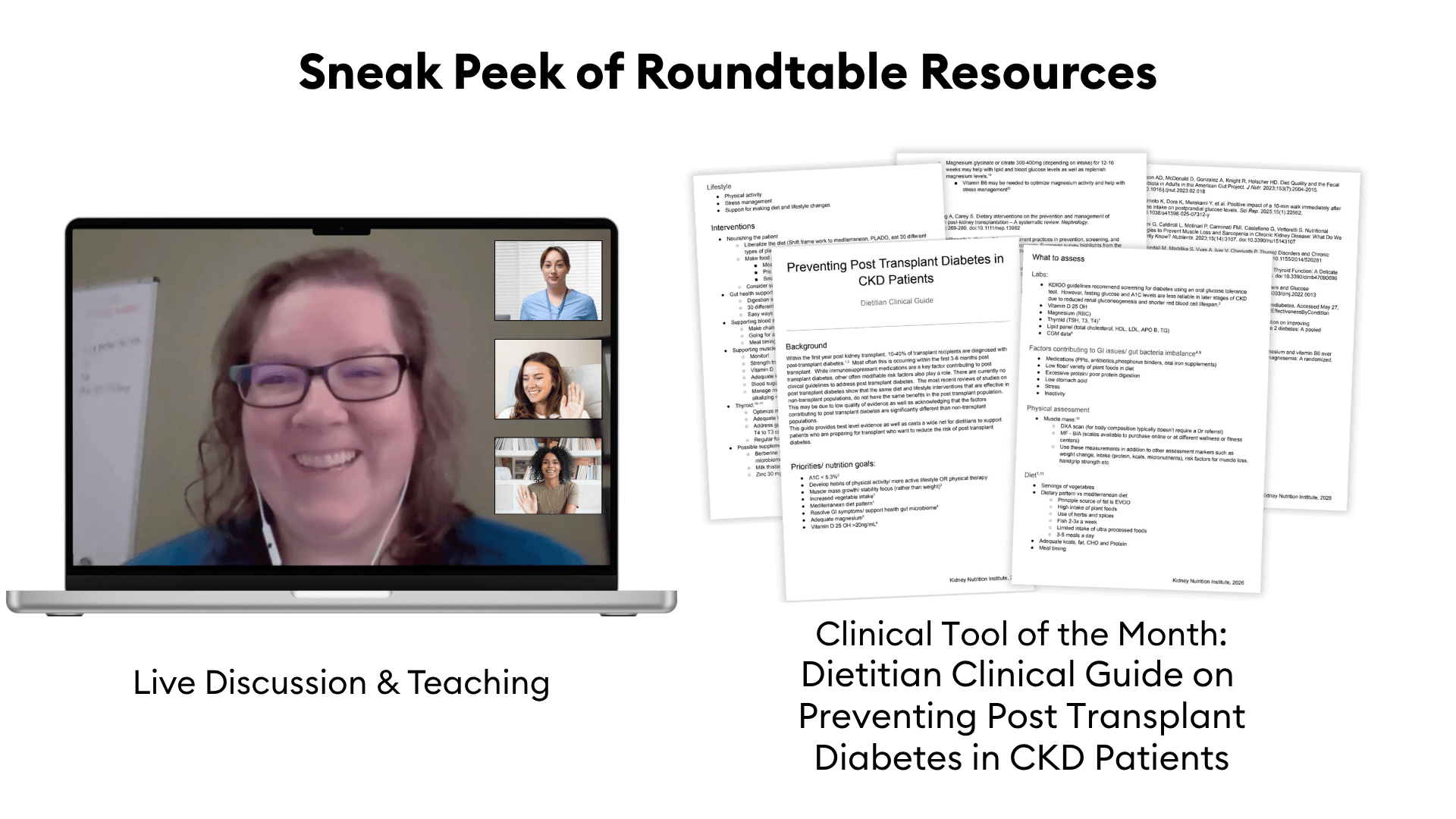
Participants will also receive the Preventing Post-Transplant Diabetes in CKD Patients Clinical Guide, a practical resource that brings evidence, assessment tools, nutrition goals, and intervention frameworks into one organized place for easier use in patient care.
Important Details
- 1 CPE
- Recorded in-depth session for easy, on-demand review
- Free for VIP & Advantage Library Members
- Ready-to-use clinical tool to support your practice
Tools & Resources Included In This Course
Your Instructor
Lindsey Zirker MS, RDN, LD
Lindsey is a renowned expert in nephrology nutrition who has dedicated her entire career to the renal field. With over 20 years of specialized experience, she currently serves as the lead clinical dietitian at Kidney Nutrition Institute, a position she has held for the past 5 years. Previously, she spent more than a decade as the dietitian at the Idaho Kidney Center.
Lindsey writes a monthly column for Renal, Urology and Transplant journal and has been published in multiple scientific papers. Her work is distinguished by her exceptional ability to analyze complex nutritional science and translate it into practical applications for clinical settings.
As an accomplished speaker and educator, Lindsey is known for her talent in making complicated renal nutrition concepts accessible and understandable. Her courses are particularly valued for combining cutting-edge scientific research with common-sense application, ensuring that clinicians understand both the “why” and “how” of effectively supporting their patients.
Colleagues and students alike praise Lindsey’s remarkable capacity to take deep dives into nutritional science and distill that knowledge into actionable strategies for patient care.